
Going to a PWI didn’t diminish my Blackness. It expanded it.
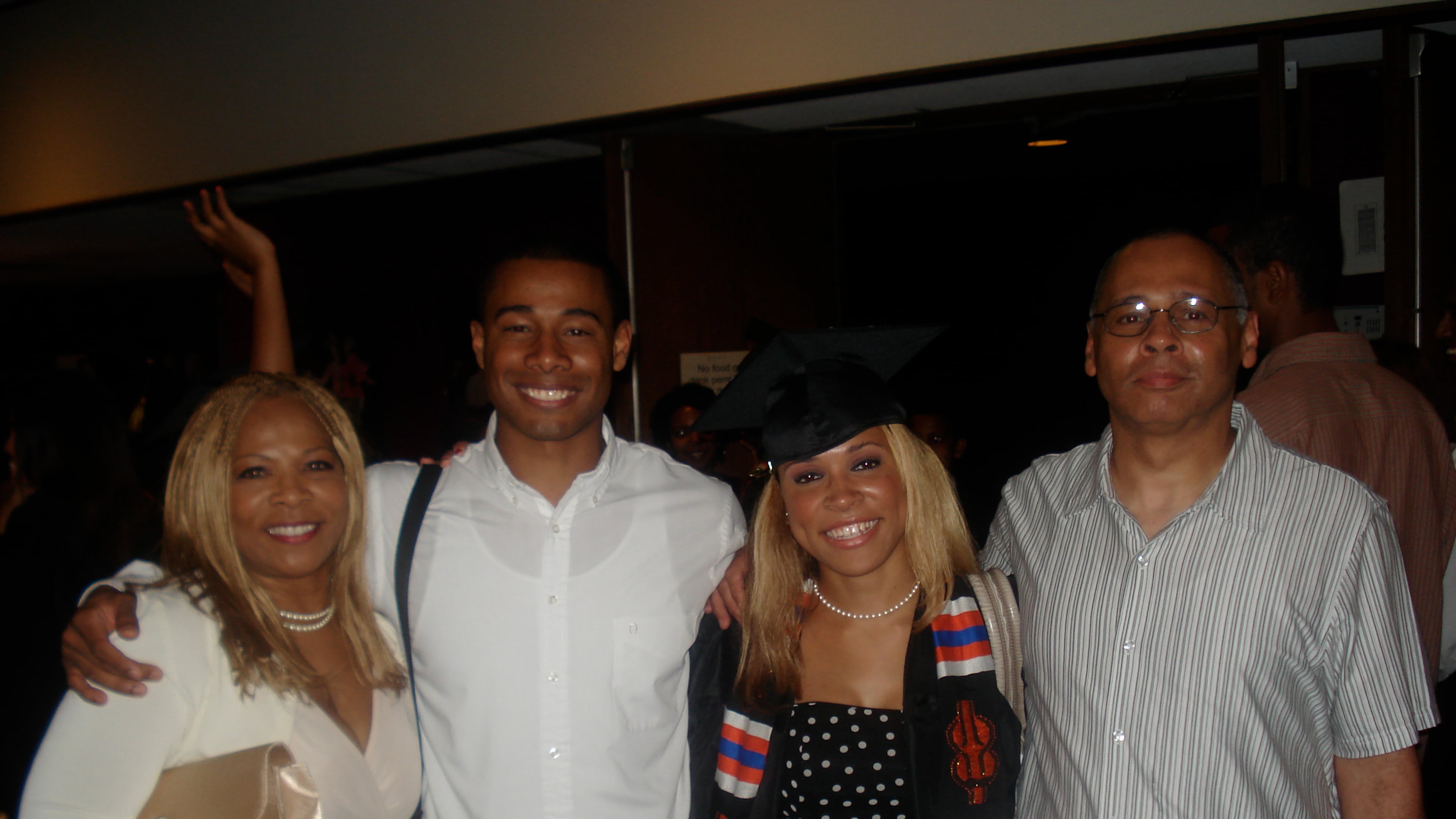
Going to school at a predominantly white institution did not negate my Blackness.
In some ways, it reinforced it.
The University of Virginia helped me dig into my revolutionary side.
As a Black student at a university with a complicated racial history, I learned quickly that academics were only part of the experience.
My Black classmates and I navigated racial slurs, microaggressions and assumptions that we had been admitted only because of affirmative action.
We approached each day wearing mental armor for battles that could be academic, social or both.
When racially insensitive cartoons appeared in the student newspaper, we protested and held sit-ins.
We challenged university administrators over discrimination and racial incidents on Grounds, as we call the campus.
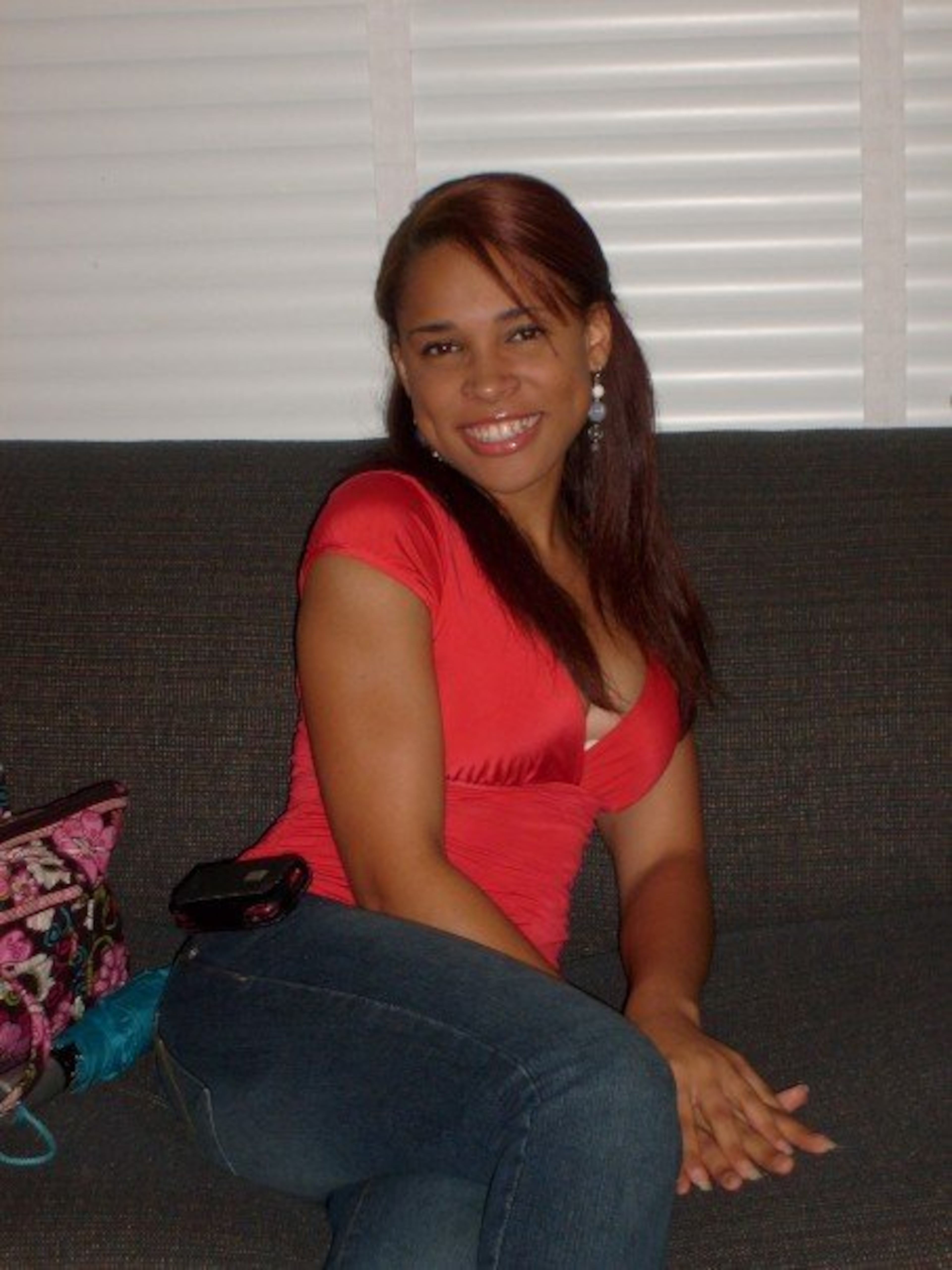
I created a column in the university paper denouncing white supremacy.
UVA didn’t just make me more conscious of racism. It expanded my understanding of the versatility of Blackness.
Redefining Thomas Jefferson’s university
Founded by Thomas Jefferson in 1819, UVA relied on enslaved Black people who worked the Grounds as laundresses, cooks, bricklayers and landscapers.
Historic buildings still have below-ground chambers where they worked and slept. Their handmade bricks still line some of the serpentine walls to the gardens.
The first Black undergraduate students did not arrive until 1955.
I applied to UVA in the winter of 2005 because its political science department was one of the highest-ranked in the country. Whether I ventured into law, journalism or politics, I wanted to learn from the best but also among people who I understood could become my opponents.
At the time of my enrollment at UVA, the undergraduate population was around 13,300, with about 3,000 first-years. Of those first-year students, fewer than 8% were Black.
When I arrived, it had been just three years since the first Black student to run for student council president was assaulted in a racially motivated attack.
Recently, while talking with Sarah Kiah Morton, a former president of UVA’s NAACP chapter, I thought about the Black community we found there.
A few years older and from my hometown, Sarah became a mentor who helped me acclimate to UVA.
Later, I became her sorority sister in the Kappa Rho Chapter of Delta Sigma Theta Sorority, Inc. Being part of the small Black community made us more intentional about finding and holding on to one another.
As Sarah put it, we learned to “hold each other close.”
Diversity in Blackness
Growing up in a predominantly Black area in Cincinnati, I never considered attending an HBCU, unlike many of my UVA classmates.
I went to a relatively diverse high school, but I was always one of the few Black students in my advanced classes.
Before Charlottesville, I was simply told to go to college, but I was traveling a road without much direction.
At UVA, I began to see possibilities for myself as a soon-to-be first-generation college graduate that I had never imagined.
Blackness was nearly a monolith to me when I was younger. The University of Virginia told me otherwise.
Classes were offered on the African diaspora: civil rights and politics, gospel music, literature, Blaxploitation films and theater.
I saw activists Angela Davis and Amiri Baraka give guest lectures at the university.
I watched Bobby Seale command a crowded ballroom during another appearance. One of my biggest regrets is never taking a history class taught by civil rights leader Julian Bond.
Against the backdrop of UVA’s troubled racial history, I found a community of Black activists — and lifelong friends.
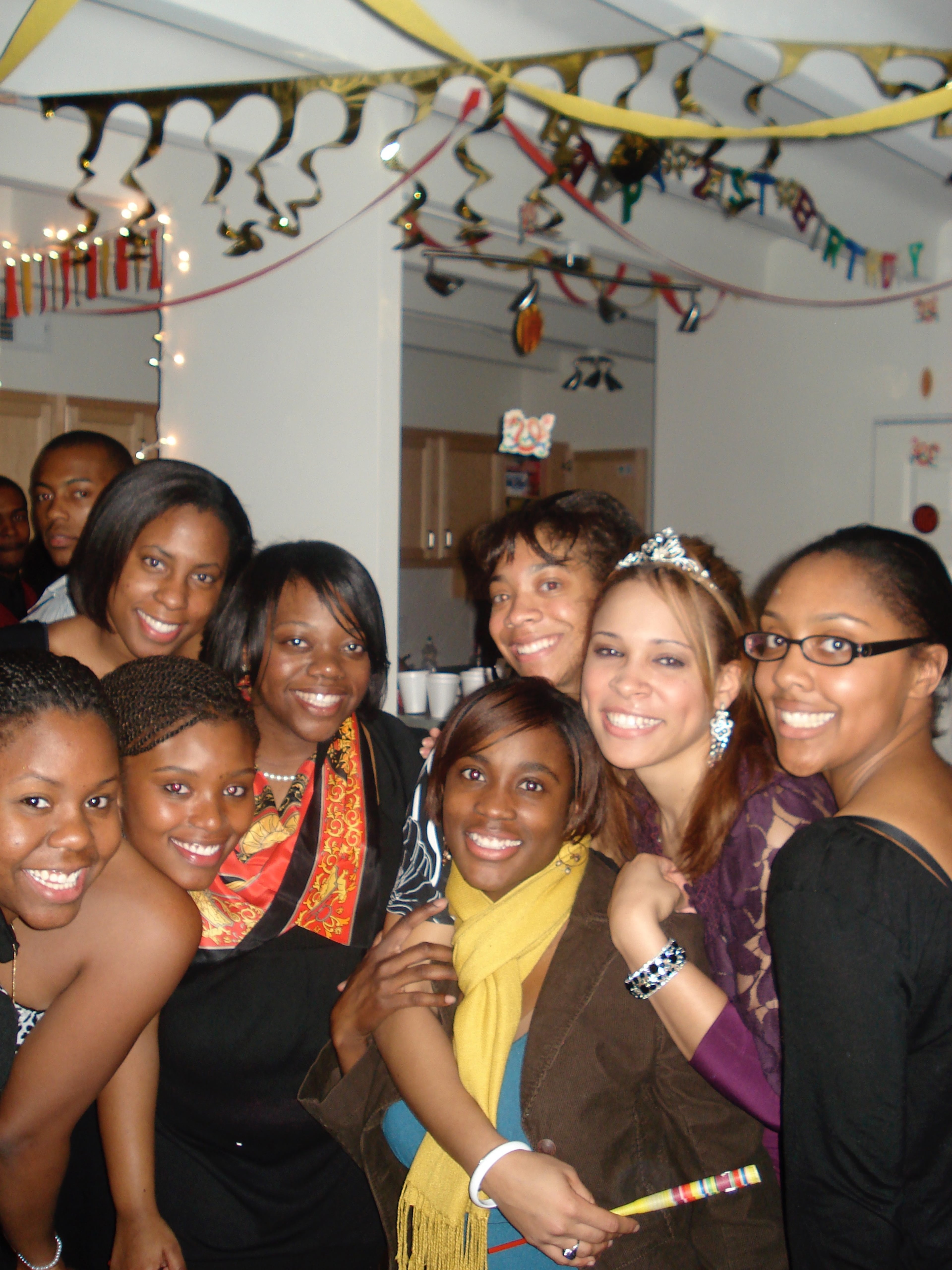
When I recently talked to one of my best friends and classmates, L’oreale Tiller Baugh, we found ourselves remembering the Black UVA we had experienced together.
L’oreale, who majored in African American Studies, still talks about the Black professors we encountered as among the most phenomenal she has ever known.
She told me, “UVA was a Black experience.”
I understood what she meant.
We celebrated academic achievement through Harambee, gathered for Kwanzaa and held our own Black Student Activities Fair.
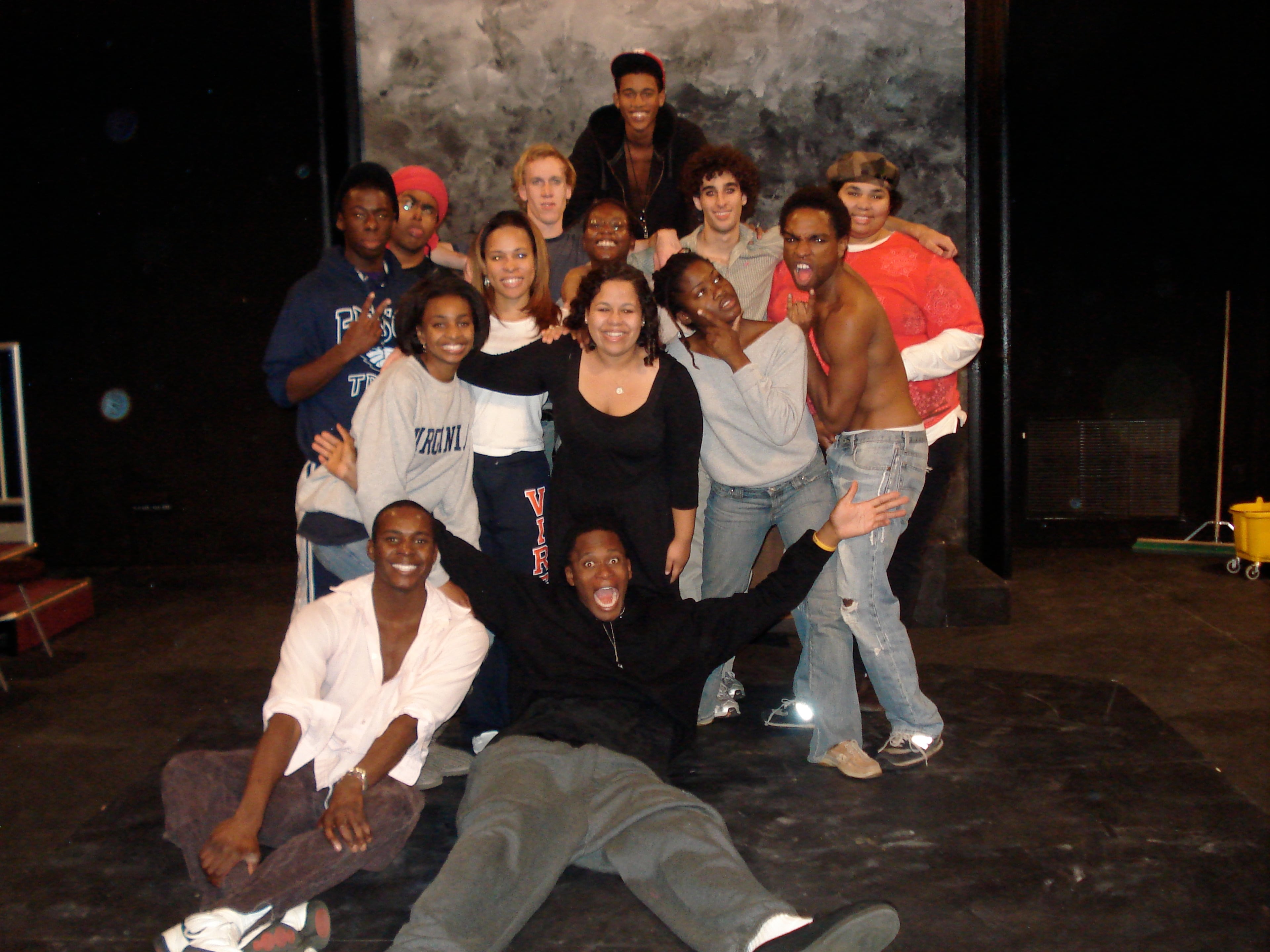
I kept busy as president of the Black acting troupe named in honor of actor and activist Paul Robeson and as a writer for our Black magazine, “Pride.”
I also became political-action chair — and later vice president — of the Black Student Alliance.
Before graduation, I joined other Black students for the Donning of the Kente ceremony, celebrating our achievements in symbolic Ghanaian cloth.
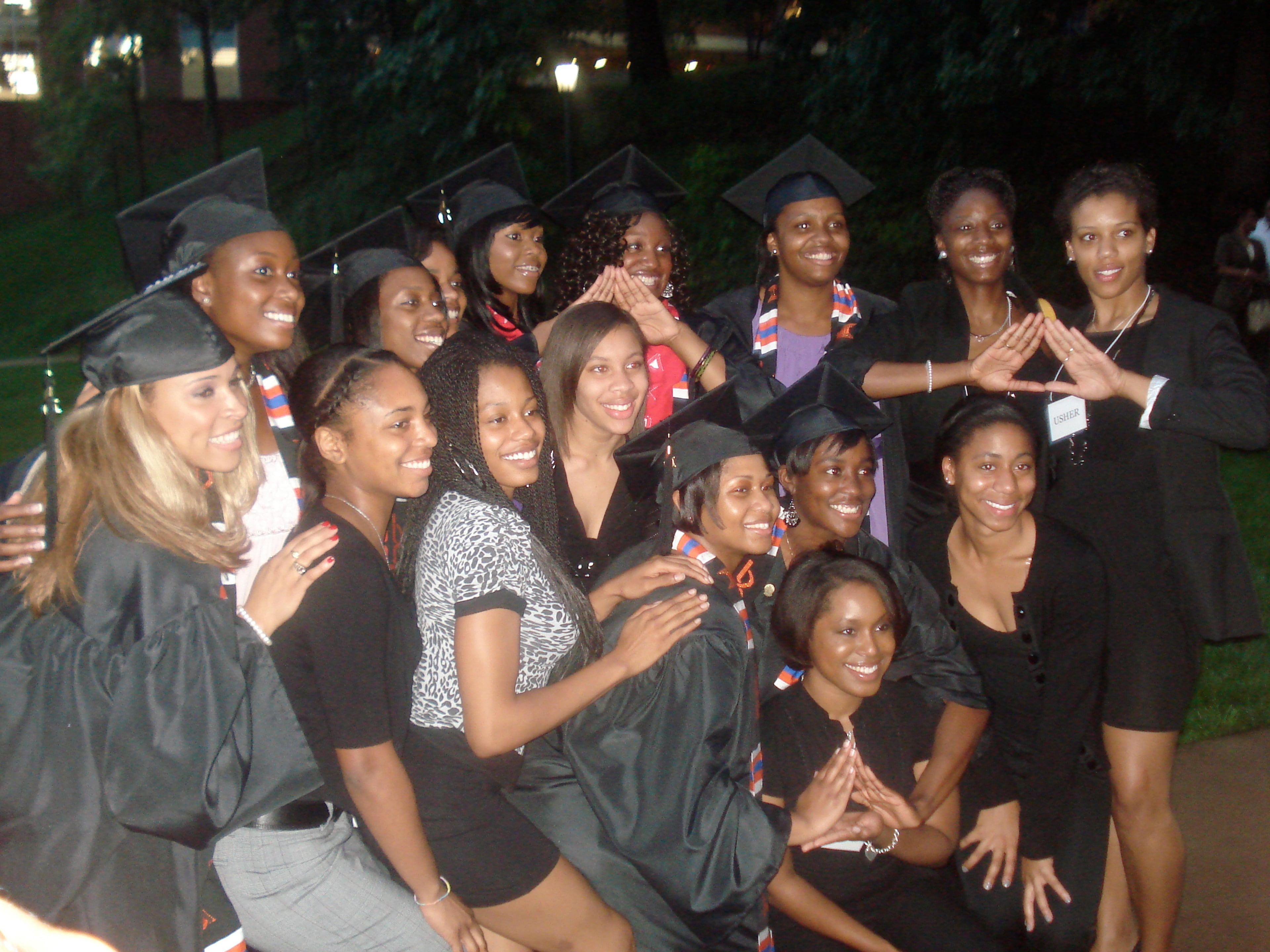
My involvement in those organizations put me on the front lines of community activism.
Through voter registration, rallies, performances and education, I learned how Black organizations could push for social and political change.
Being Black at UVA was a community within a community. We knew of one another and created our own spaces on Grounds.
We had Black eating time, when Black students arranged their class schedules around the same lunch hours on Tuesdays and Thursdays.
Then there was the Black Bus Stop, where we’d post up and just hang out between classes.
When white supremacists descended on Charlottesville in 2017, Black alumni responded much as we had as students: by organizing.
We developed task forces, reached out to student groups across Grounds and strengthened our support of the Office of African American Affairs so current students knew they weren’t navigating UVA alone.
Every other year, Black alumni return to UVA for a reunion that feels a little like an HBCU homecoming. We come back to reconnect, but also to strengthen the community for the Black students who followed us.
When alumnus Tracy Clemons and I talked about what we had found at UVA, he acknowledged the obvious: We were “not even close” to an HBCU.
But we had built a community around our shared experiences, one where, as he put it, we could “exist unapologetically.” It was a place where we learned to push back, to challenge people who questioned whether we belonged and, ultimately, to answer them with more than words.
We answered with our achievements.
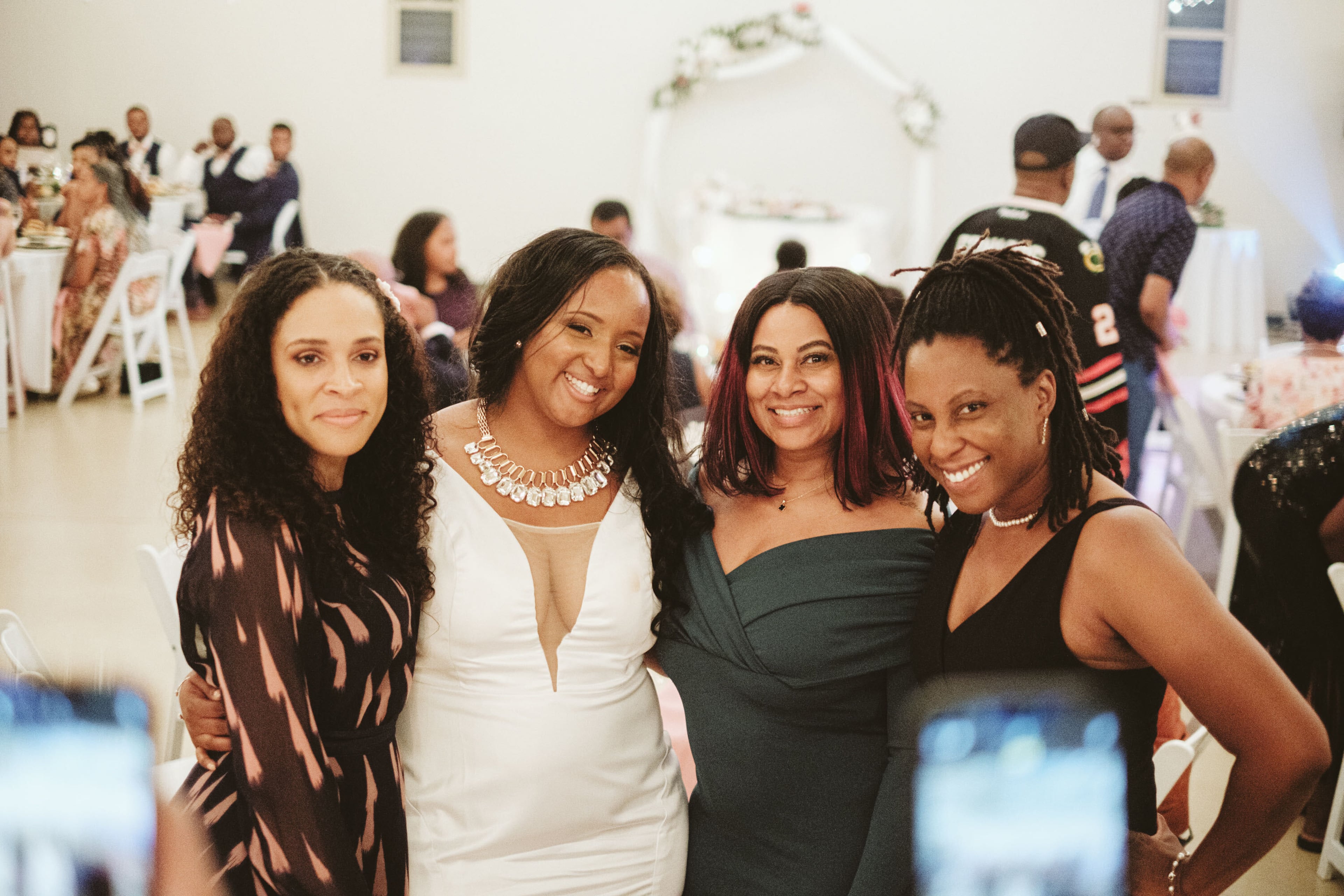
I went to UVA thinking I was going to receive an elite education in political science. I did. But my continuing education as an alumna has also provided me the blueprint for how to organize and fight for social justice.
The University of Virginia didn’t give me my Blackness, but it drilled a necessary confidence into my spirit. It expanded my understanding of Black culture and gave me something I could carry back home.
Enslaved Black people built the rooms by hand.
Our duty is to occupy them.