
Goodie Mob brings ‘Soul Food’ legacy to Atlanta film ‘Thomasville’
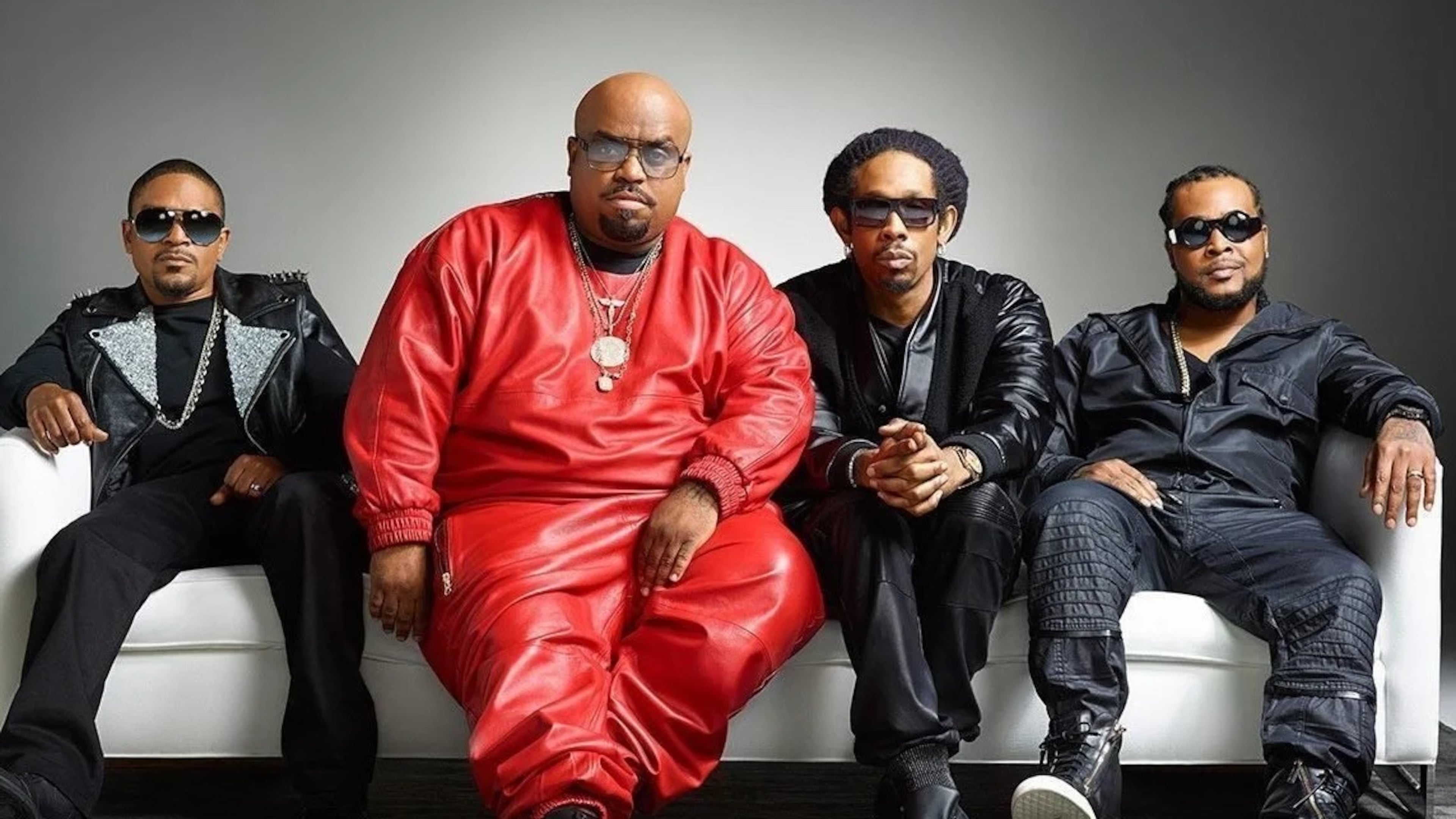

“My mind won’t allow me to not be curious. My folk don’t understand, so they don’t take it serious,” CeeLo Green raps on Goodie Mob’s 1995 song “Cell Therapy.”
Then, comes a line that Anthony Ellis-Scott knows well.
“But every now and then, I wonder if the gate was put up to keep crime out or keep our ass in.”
Ellis-Scott remembers when the gates went up around Thomasville Heights, the southeast Atlanta public housing community where members of his extended family began moving in the late 1960s and where he grew up in the 1980s.
The gate, he said, was a sign the apartments were going to be demolished.
“It had all of us kind of sad,” he said.
More than three decades after Goodie Mob used “Soul Food” to chronicle Atlanta neighborhoods shaped by poverty, drugs, violence, aggressive policing and community, the group’s music is helping tell another Atlanta story.
Goodie Mob emerged from Atlanta in the 1990s as one of Southern hip-hop’s pioneering groups, helping define a sound and perspective that pushed Atlanta to the forefront of rap.
Themes from their landmark 1995 album run throughout “Thomasville,” a 13-minute semi-autobiographical film by writer and director Alex Woodruff.
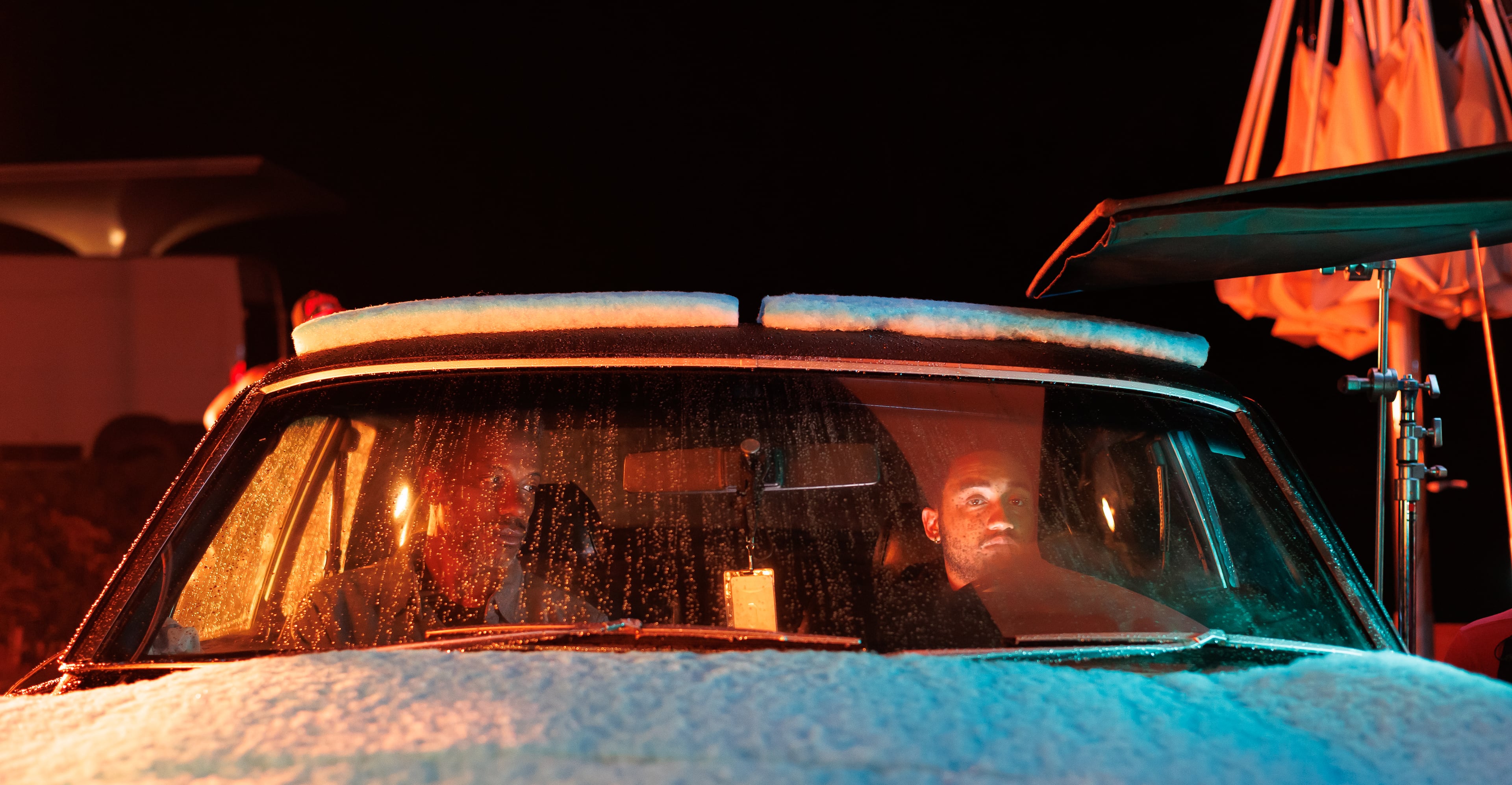
The film explores a strained father-son relationship and the complicated legacy of Thomasville Heights.
Produced by Pineapple Cut Pictures, “Thomasville” was first shown at the Palm Springs International ShortFest in June 2024. The first screening in Atlanta was held in 2025.
Goodie Mob — Robert “T-Mo” Barnett, Cameron “Big Gipp” Gipp, Thomas “CeeLo Green” Callaway-Burton and Willie “Khujo” Knighton Jr. — joined the project as executive producers this summer, marking the Atlanta hip-hop group’s first film production credit.
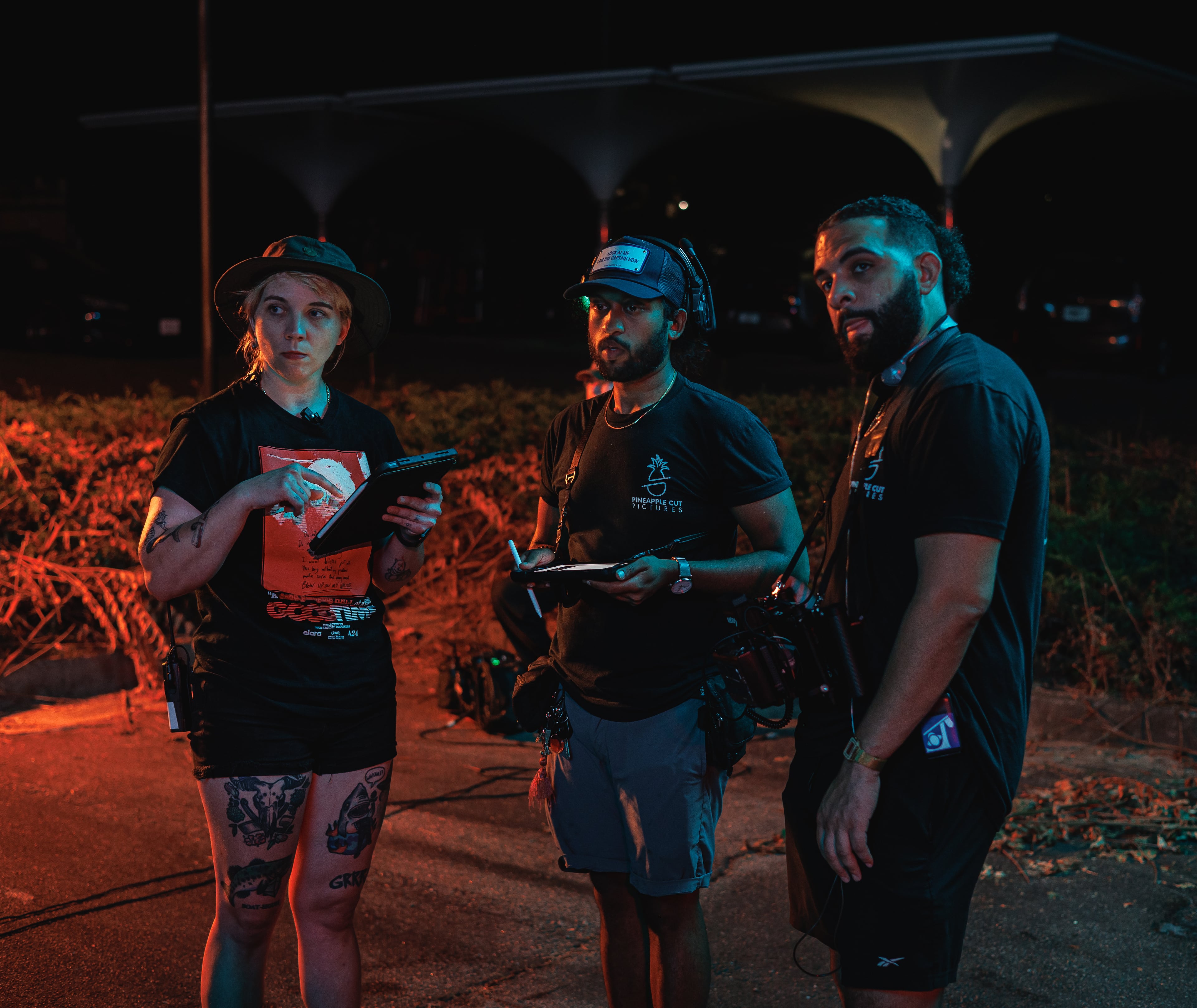
The film has yet to be released to the public.
After partnering with Goodie Mob, Woodruff hopes to secure distribution on a streaming platform and bring the film to a wider audience.
He also wants to transform the short into a feature film.
“I get so much love talking about this film,” Woodruff said. “I want to talk about this film forever.”
He said audiences connect well with the film, a medium that keeps the legacy of Thomasville alive.
A father, a son and Thomasville
Woodruff started writing the script for “Thomasville” in 2023 when his father began having health issues. Three months later, filming began.
For Woodruff, the story was deeply personal.
His father grew up in the neighborhood, and Ellis-Scott is his older cousin.
Woodruff was raised in the suburbs, but his father’s health forced him to think more deeply about the neighborhood that shaped his family and what he had inherited from it.
Woodruff said he had once viewed Thomasville Heights as a “deplorable, undesirable place.”
As he began exploring his father’s life, however, he reconsidered his own connection to it.
He built the film around that reckoning.
Set entirely inside a Lincoln Continental, “Thomasville” follows Thomas (Stephen Ruffin), who sits outside a hospital deciding whether to go inside after his father, Marc (Jay Jones), is rushed to the emergency room. As he wrestles with their strained relationship, visions of his father force him to confront questions of family and legacy.

“You can’t just forget about something like that,” he said. “Although I didn’t grow up there — although I grew up in the suburbs because that’s where he wanted me to grow up — there’s still importance to me to understand my roots and to not divorce from that.”
Woodruff found a similar examination of place and identity in Goodie Mob’s music. The group had spent decades documenting Atlanta communities facing many of the same pressures depicted in “Thomasville.”
For Goodie Mob, the connection worked in reverse. Members saw pieces of their own lives in Woodruff’s film.
Barnett called Thomasville a “true fabric” of Atlanta.
“I mean the gullies, the gutters, the trenches. The reason why they call it that because it was low income, high crime area,” Barnett said. “I’m not from Thomasville, but I’m from Atlanta and we were all faced with the same types of adversity.”
Gipp said the film mirrored his life.
“(‘Thomasville’) was something about him and his relationship with his father and timing. It really turned out to be my real life,” he said. “It was kind of mind-blowing.”
The Thomasville behind the film
Public housing was constructed in Thomasville Heights in 1967.
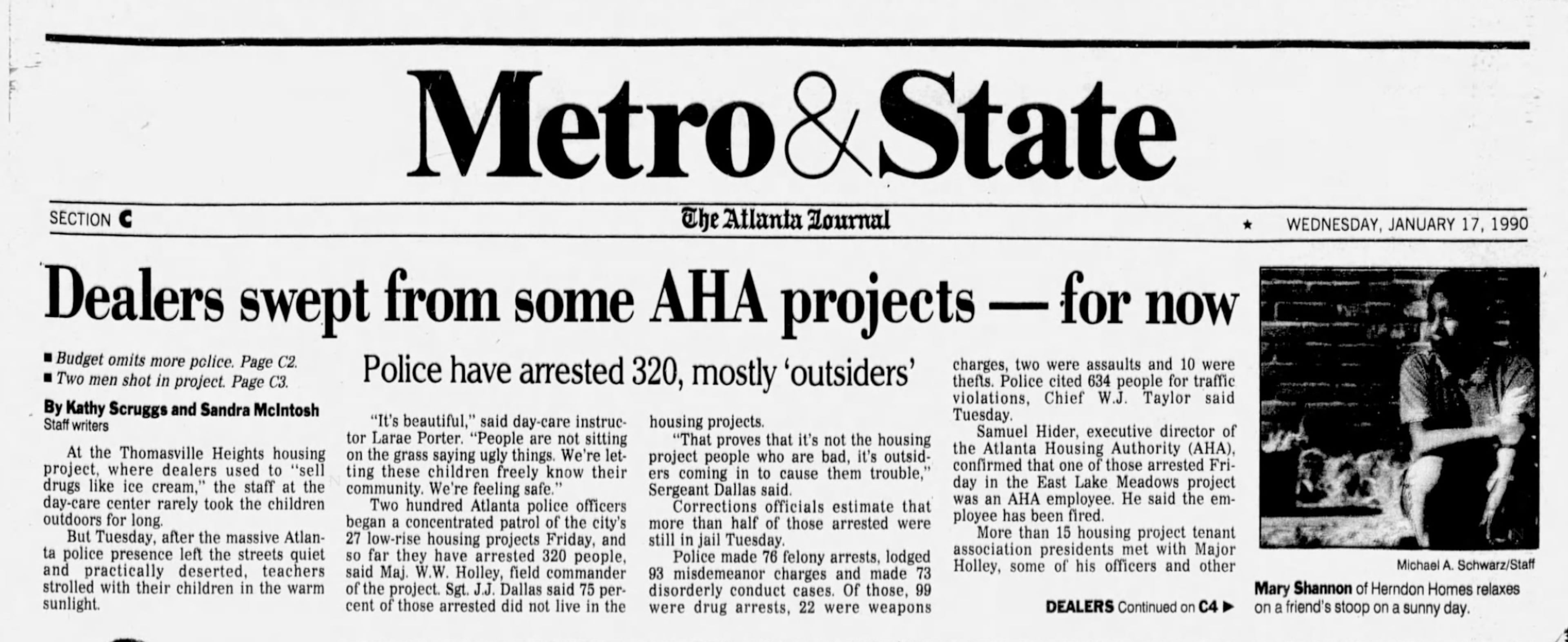
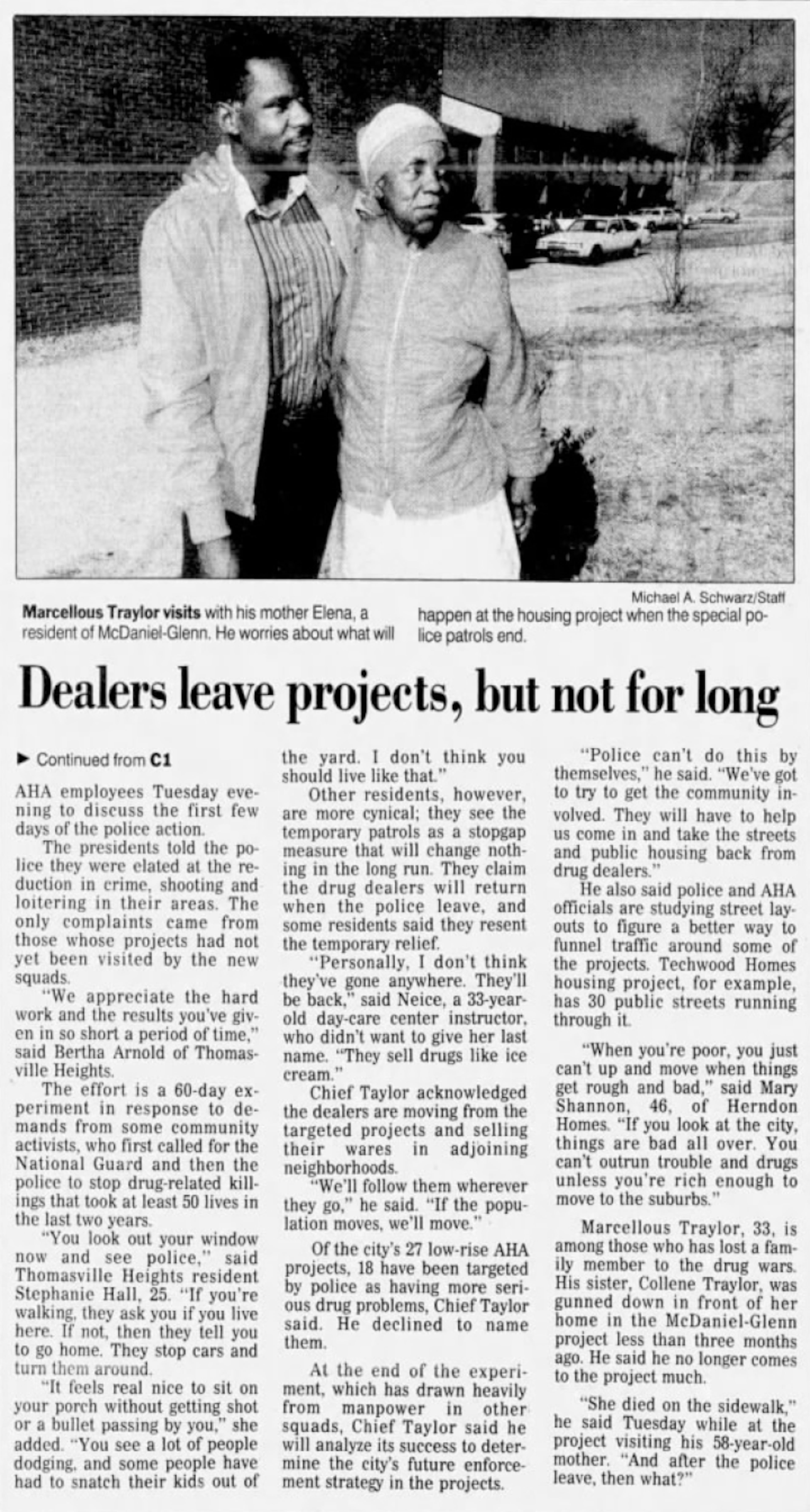
Though Ellis-Scott said the area was known for building community among Black residents, the housing development was also at the center of drug crimes and police raids.
“I had a lot of childhood friends I came up with. It was a real nice area, quiet,” he said. “Everybody got along, and everyone looked out for one another.”
By the late 1980s, he said, drugs and violent crime had begun taking a growing toll on the community he remembered.
“That’s when the killing really just started, and everybody just started dying left and right out there in Thomasville,” he said. “Left and right, left and right.”
Ellis-Scott remembers as a kid seeing police raids from the Atlanta police Red Dog unit, formed in the late 1980s to fight violent crime and drugs but accused of terrorizing Black residents.
“That was a dangerous police unit that didn’t come around to play games,” said Barnett of Goodie Mob. “They didn’t come and just lock you up. They came to beat you up and then lock you.”
Ellis-Scott said he was emotionally torn when the apartments were demolished in 2010 because of all the murders that took place.
But he still has fond memories of the area.
“I went through a lot out there, from doing childhood things to coming up as a teenager and having my first child out there,” said Ellis-Scott, Woodruff’s older cousin.
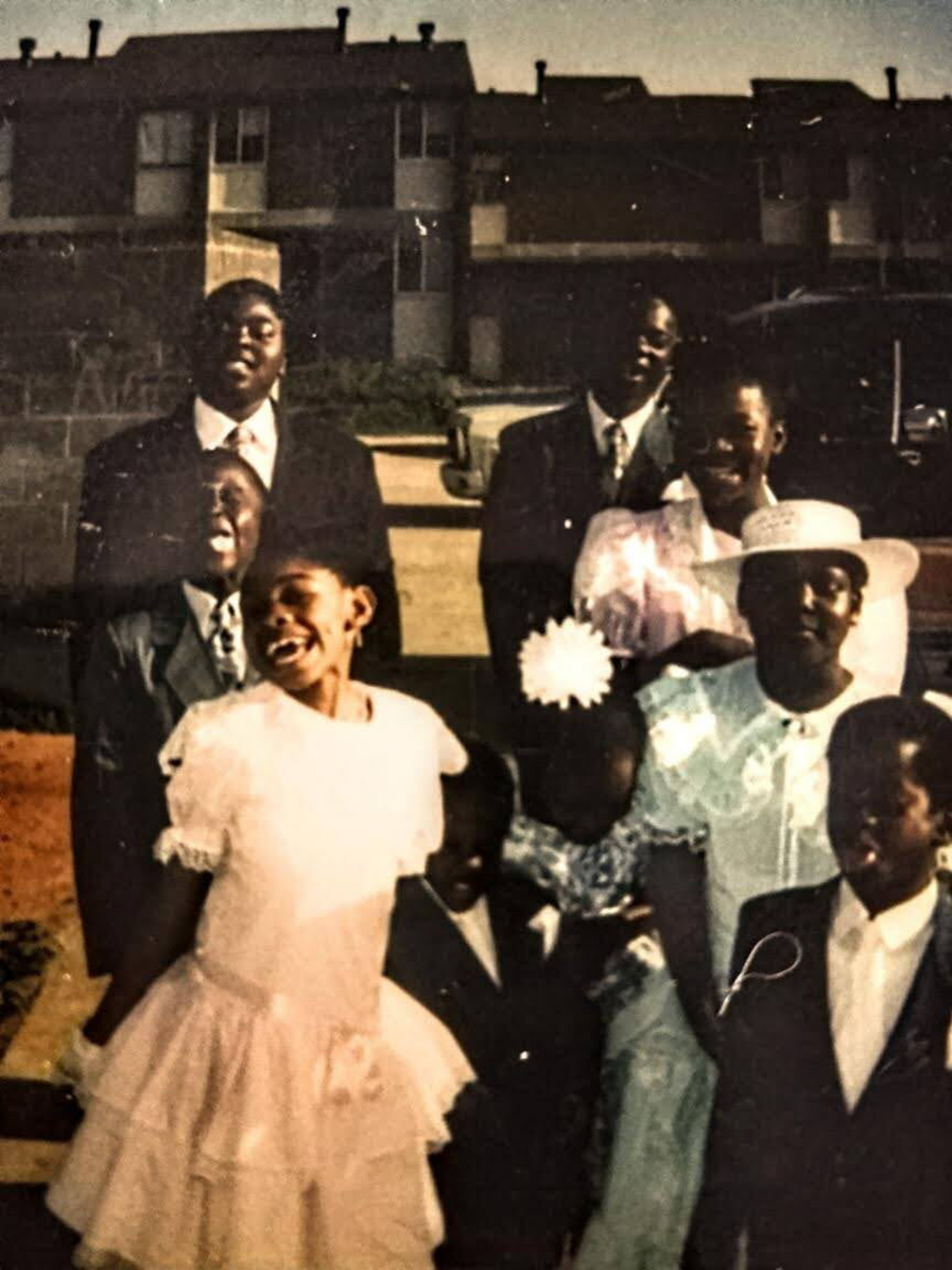
“It might have been one of the hardest neighborhoods on the southeast side of Atlanta,” Knighton said. “If you’re not from there, you wouldn’t want to be walking through that neighborhood.
A new chapter for Goodie Mob
Goodie Mob’s last album, “Survival Kit,” was released in 2020. Gipp said the film gives the group “drive” to find its next cinematic project.
“Atlanta being the canvas for (the film) is just extraordinary because it shows, again, that Atlanta keeps figuring out ways to stay in the forefront of our community,” he said.
The canvas has changed.
Thomasville Heights now sits isolated on Atlanta’s southeast side, surrounded by garbage mounds and industrial plants. There are remnants of a public housing development, and the iron fence still stands.
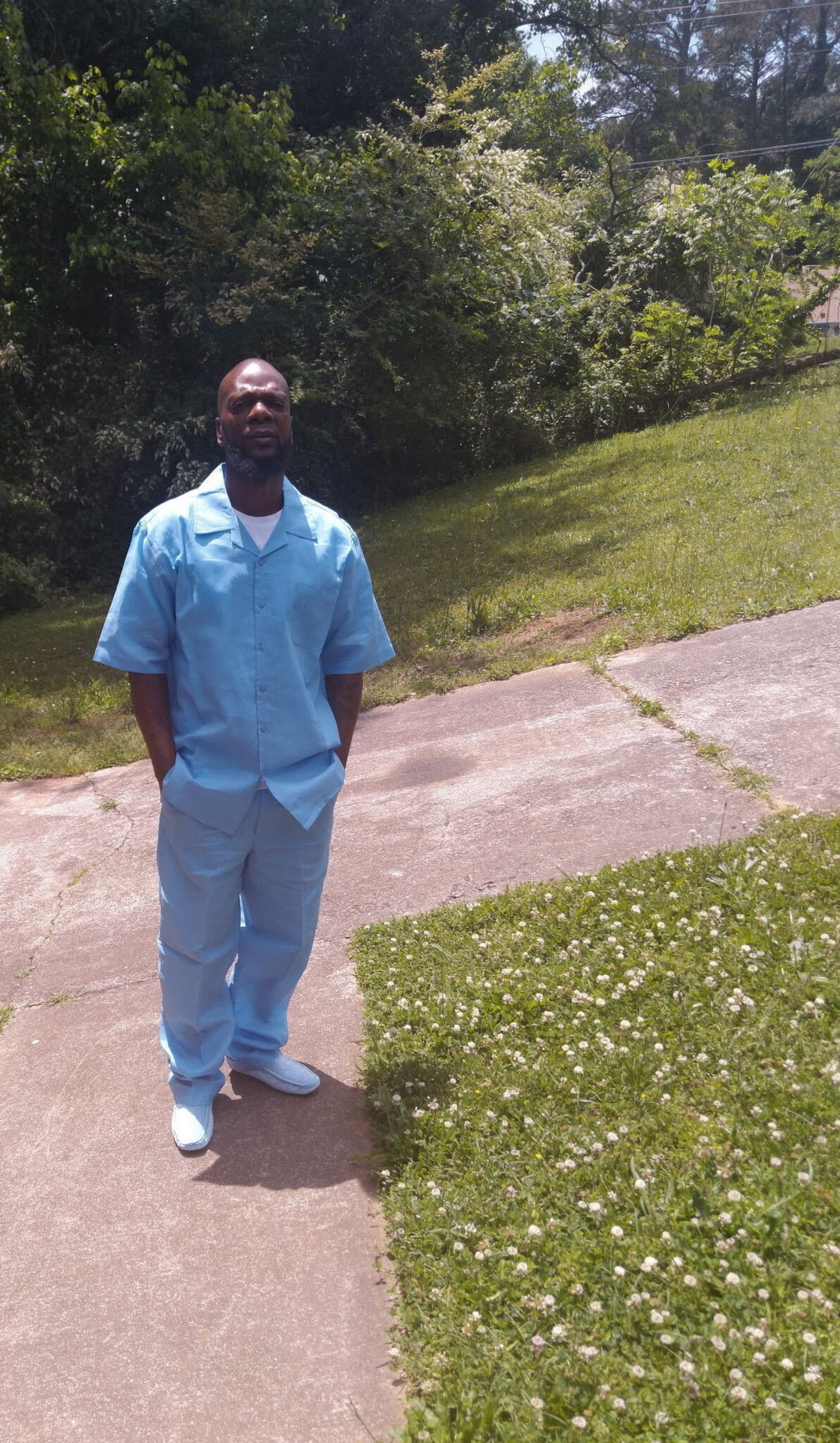
For Ellis-Scott, who now lives in southwest Atlanta, the film is a visual indication of his family’s strength and perseverance through Thomasville the neighborhood.
“They were coming up through the struggles, and they beat the struggles,” he said. “They overcame and still got their power.”
Correction
September 10, 2026This story has been updated to correct the name of Pineapple Cut Pictures and the first 2025 screening of “Thomasville” in Atlanta.