
Michael Lomax to retire after transforming UNCF and championing Black colleges
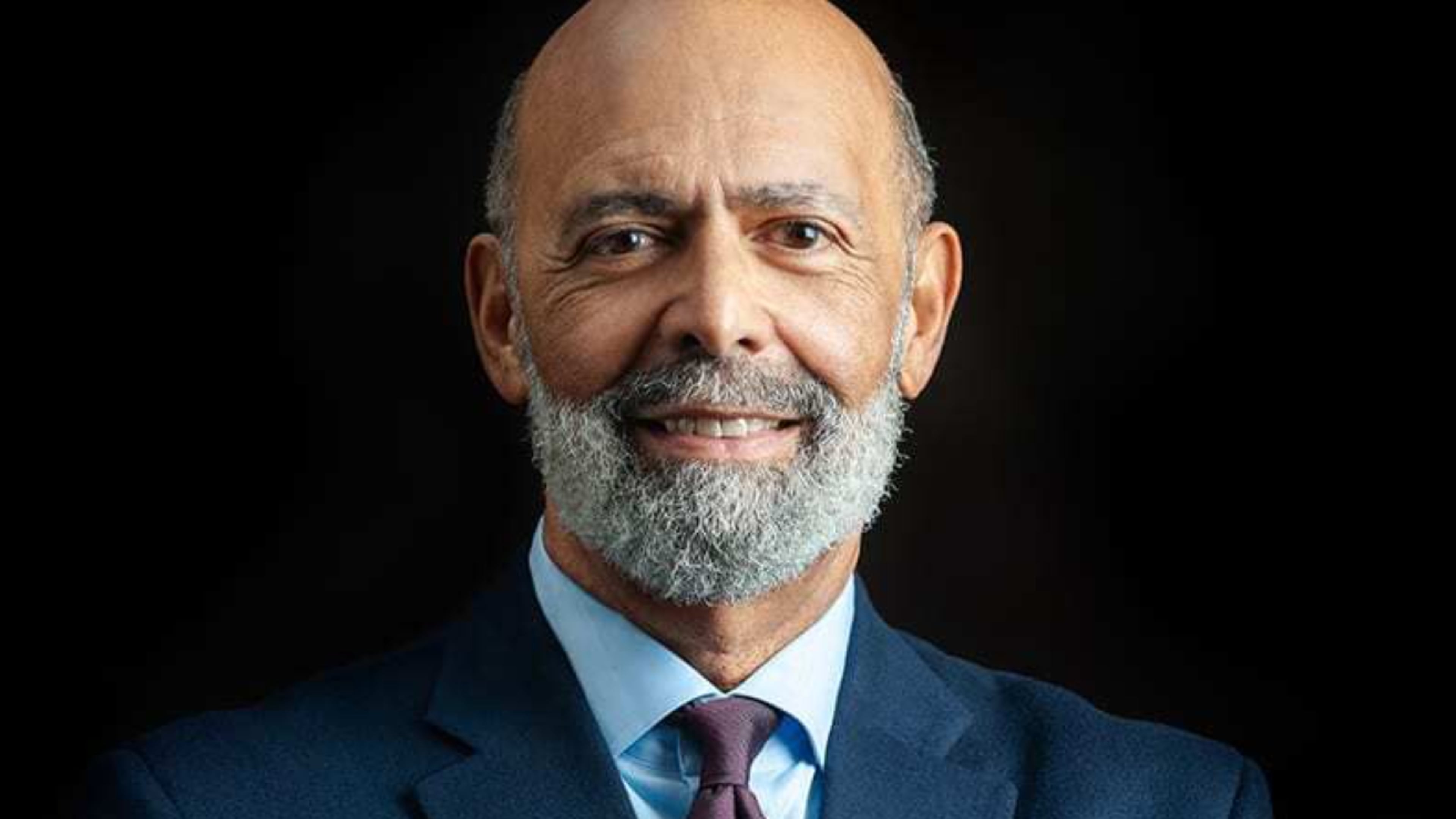
Michael Lomax, the longtime president and CEO who helped transform UNCF into one of the nation’s leading advocates for historically Black colleges and universities, will retire in June 2027 after more than two decades at the helm.
UNCF announced Monday it has launched a national search for Lomax’s successor.
During his 22-year tenure, Lomax helped raise more than $4 billion for students and HBCUs while elevating UNCF’s national profile. He also grew the organization’s endowment from $60 million to $500 million, with projections that it will reach $600 million before he retires.
Before joining UNCF, he spent decades shaping Atlanta’s academic, civic and political landscape.
“This announcement reflects years of thoughtful succession planning between the UNCF Board of Directors and Dr. Lomax to ensure a seamless leadership transition while maintaining the organization’s strategic momentum and unwavering commitment to students and member institutions,” UNCF board member Milton H. Jones Jr. said.
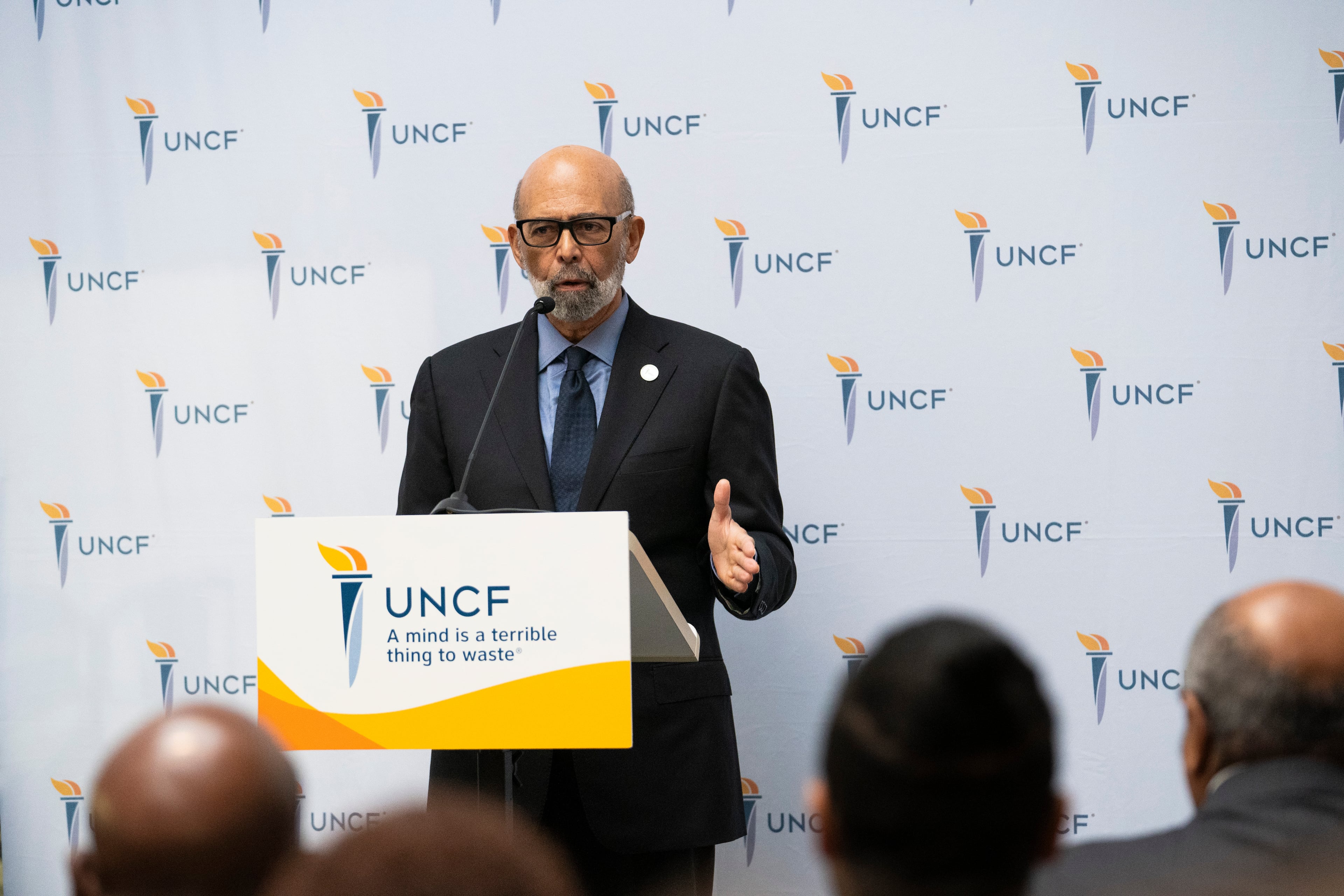
Lomax became president of UNCF, formerly the United Negro College Fund, in 2004, succeeding William H. Gray III.
In 2006, Lomax established UNCF’s Institute for Capacity Building to help HBCUs strengthen their institutions through collaboration, shared resources and strategic support.
Lomax, 78, called his time leading UNCF the “privilege of a lifetime.”
“Everything we have accomplished has been made possible through the extraordinary partnership of our board of directors, our member institutions, our dedicated team members, our donors, our philanthropic partners and the countless champions who believe deeply in our mission,” Lomax said.
Long before leading UNCF, Lomax’s roots were firmly planted in Atlanta.
He spent two decades teaching English at Morehouse College and earned advanced degrees from Columbia University and Emory University.
He also taught at Spelman College.
He entered politics in 1974 when Mayor Maynard Jackson hired him as a special assistant, speechwriter and director of research.
Shortly after Jackson became the city’s first Black mayor, he created the Bureau of Cultural Affairs to support local arts organizations and artists.
Lomax became the bureau’s first commissioner.
By 1978, the bureau had started the Atlanta Jazz Festival, now one of the largest free jazz festivals in the world.
That same year, Lomax was elected to the Fulton County Board of Commissioners. In 1981, he became the first Black person elected chairman, a position he held until 1993.
He co-chaired the Democratic National Convention in Atlanta in 1988, and, in 1989, Lomax unsuccessfully challenged Jackson for mayor of Atlanta.
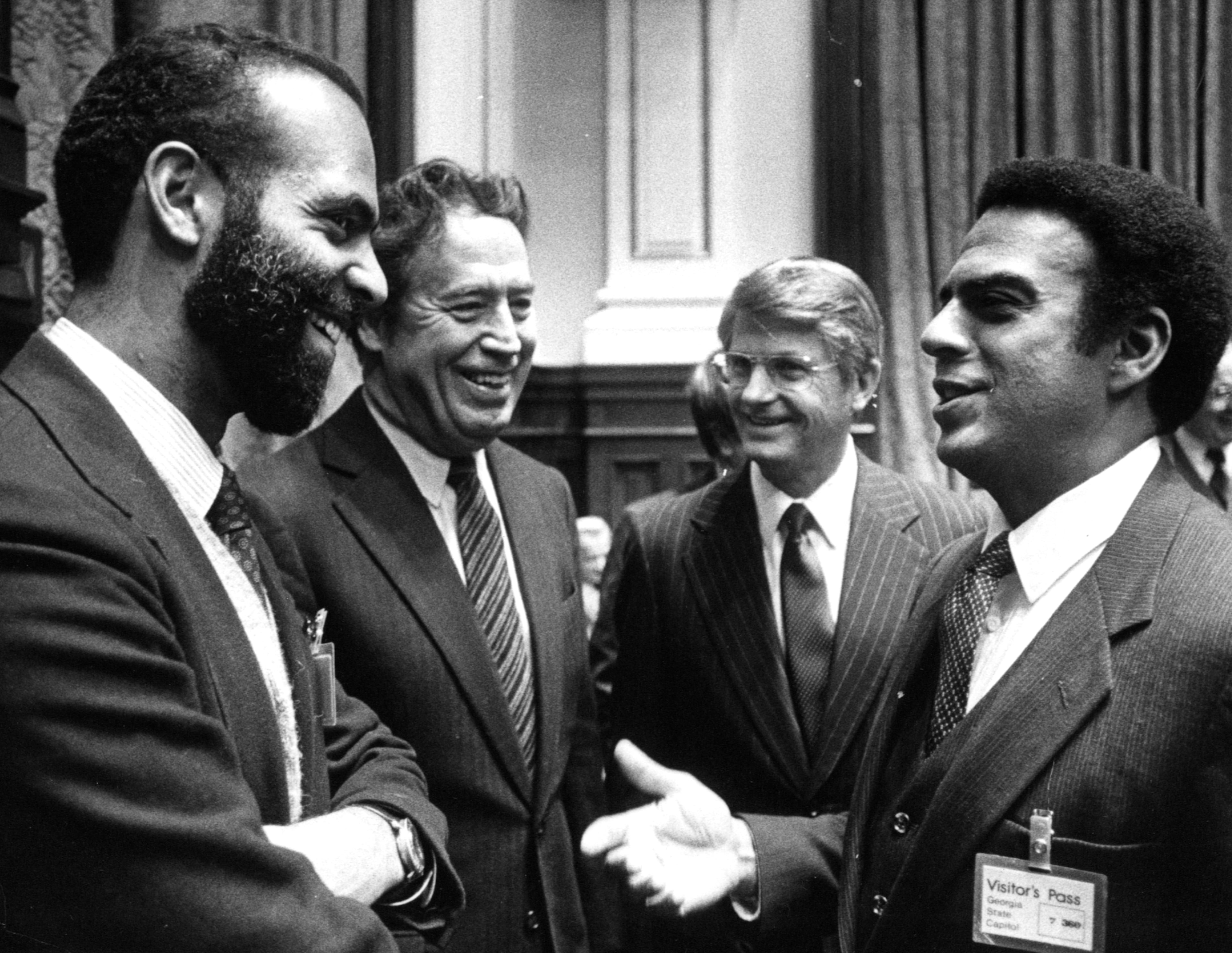
His experience in higher education and public service would eventually shape the leadership style he brought to UNCF.
Lomax left Atlanta in 1997 to serve as president of Dillard University, an HBCU in New Orleans.
He returned to Atlanta in 2004 after being named president of UNCF.
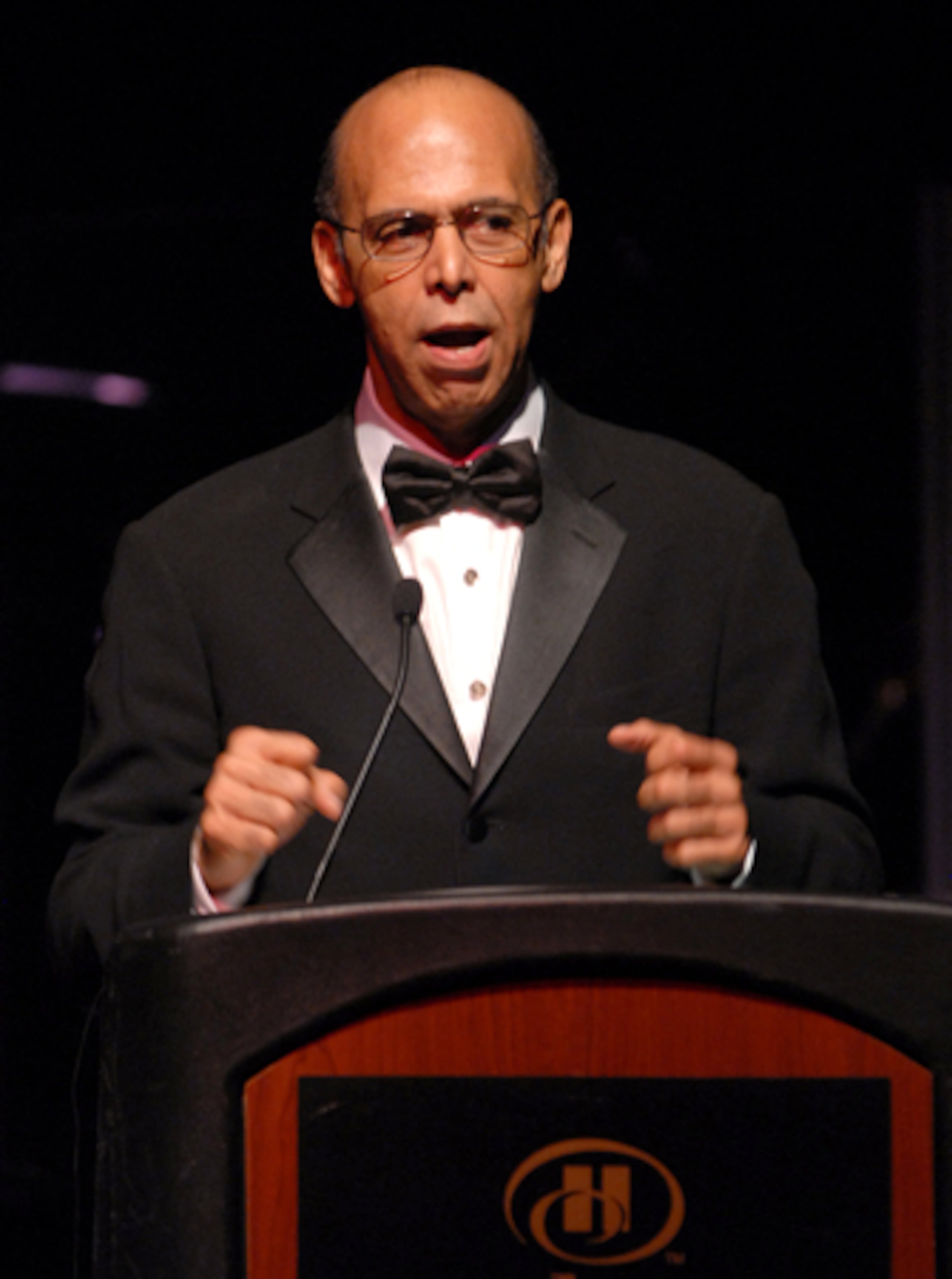
“(Lomax) has elevated HBCUs on the national stage, expanded educational opportunity for hundreds of thousands of students, strengthened our member institutions and positioned UNCF for enduring success,” Jones said.
After retiring, Lomax will remain with UNCF for one year as a consultant to help implement a smooth leadership transition.
“Thanks to Dr. Lomax’s vision and leadership, UNCF is stronger than ever and exceptionally well positioned for the future,” Jones said.