
SpelHouse is more than a homecoming, it’s an Atlanta institution


Dawnovise Fowler and her husband Aundre Hayes met at the Atlanta University Center — but not as students.
Though both grew up in Illinois, Fowler attended Spelman College and Hayes attended Morehouse College years apart. They didn’t meet until returning as alumni for homecoming in 2019.
They married in 2024, and SpelHouse, as the annual celebration is called, has since become a “mainstay and staple” for their family.
Their blended family includes four more Spelman women: Kennedy Hayes, who graduated in 2022; Jiya Fowler, who graduated in 2023; and current seniors Brooke Hayes and Zoelle Fowler.
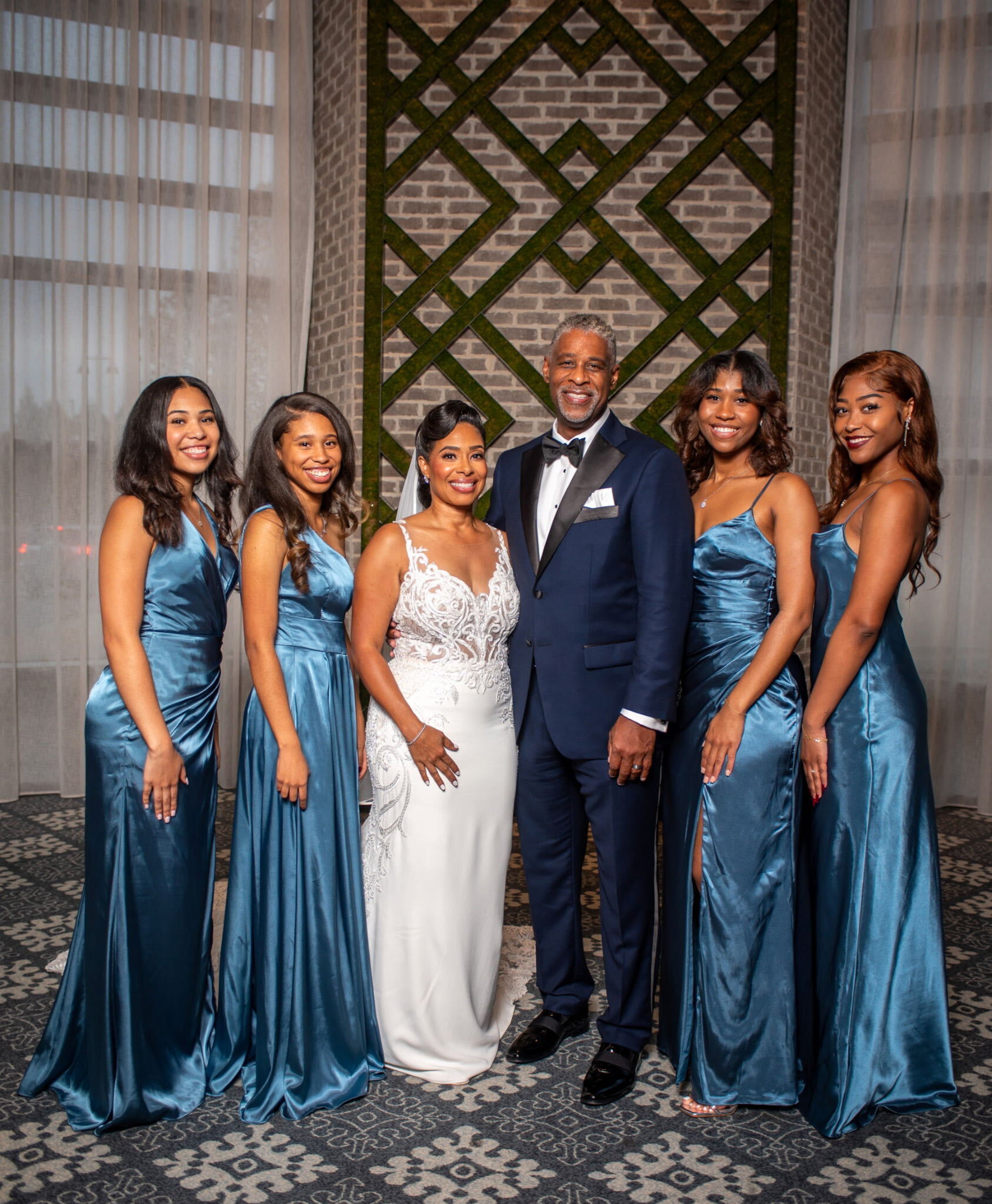
For Hayes, that family connection captures what homecoming represents.
“Homecoming, to me, means family,” he said.
And family — whether by blood, marriage or shared college experience — is at the heart of the HBCU homecoming tradition.
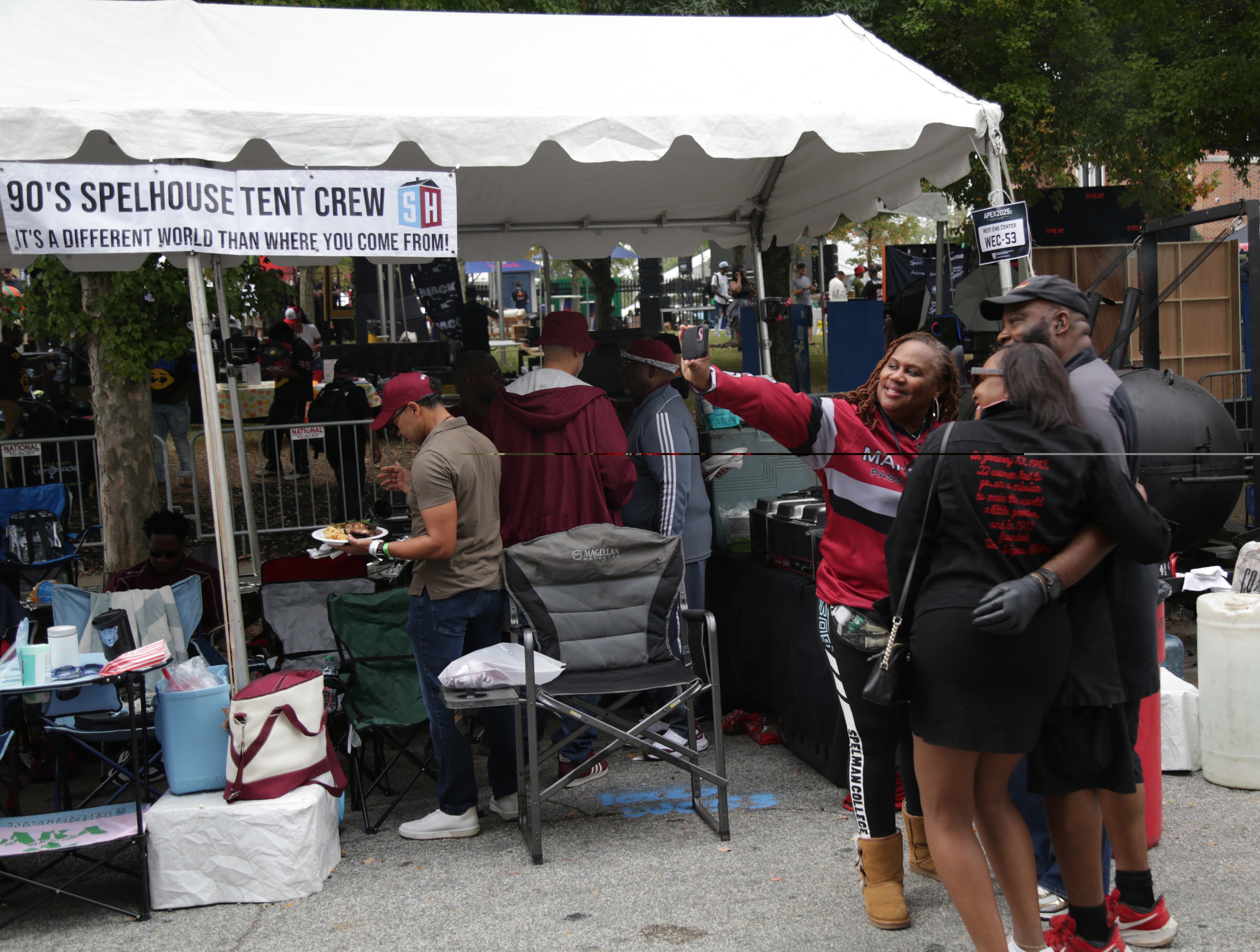
HBCU homecomings are weeklong celebrations of the history, culture and legacy of their institutions. A football game — usually played on Saturday — may anchor the week, but the celebration stretches far beyond the stadium: parades, step shows, concerts, royal court coronations, fashion shows, panels, parties and endless tailgates.
SpelHouse adds another dimension. Spelman and Morehouse — neighboring institutions within the AUC — combine their traditions, students and generations of alumni into one massive homecoming experience. The celebration extends beyond the two schools, drawing students from across the AUC along with family, friends and visitors from outside Atlanta.

The result is something larger than either school’s traditional homecoming: an intergenerational Atlanta gathering built around two institutions deeply embedded in Black history and culture.
That tradition returns this weekend, when Spelman and Morehouse students, alumni, families and friends gather for SpelHouse 2026.
Homecoming as family
Fowler and Hayes are ready.
“ (Homecoming) is an opportunity to go back to our roots,” Fowler said.
For their family, those roots now stretch across generations.
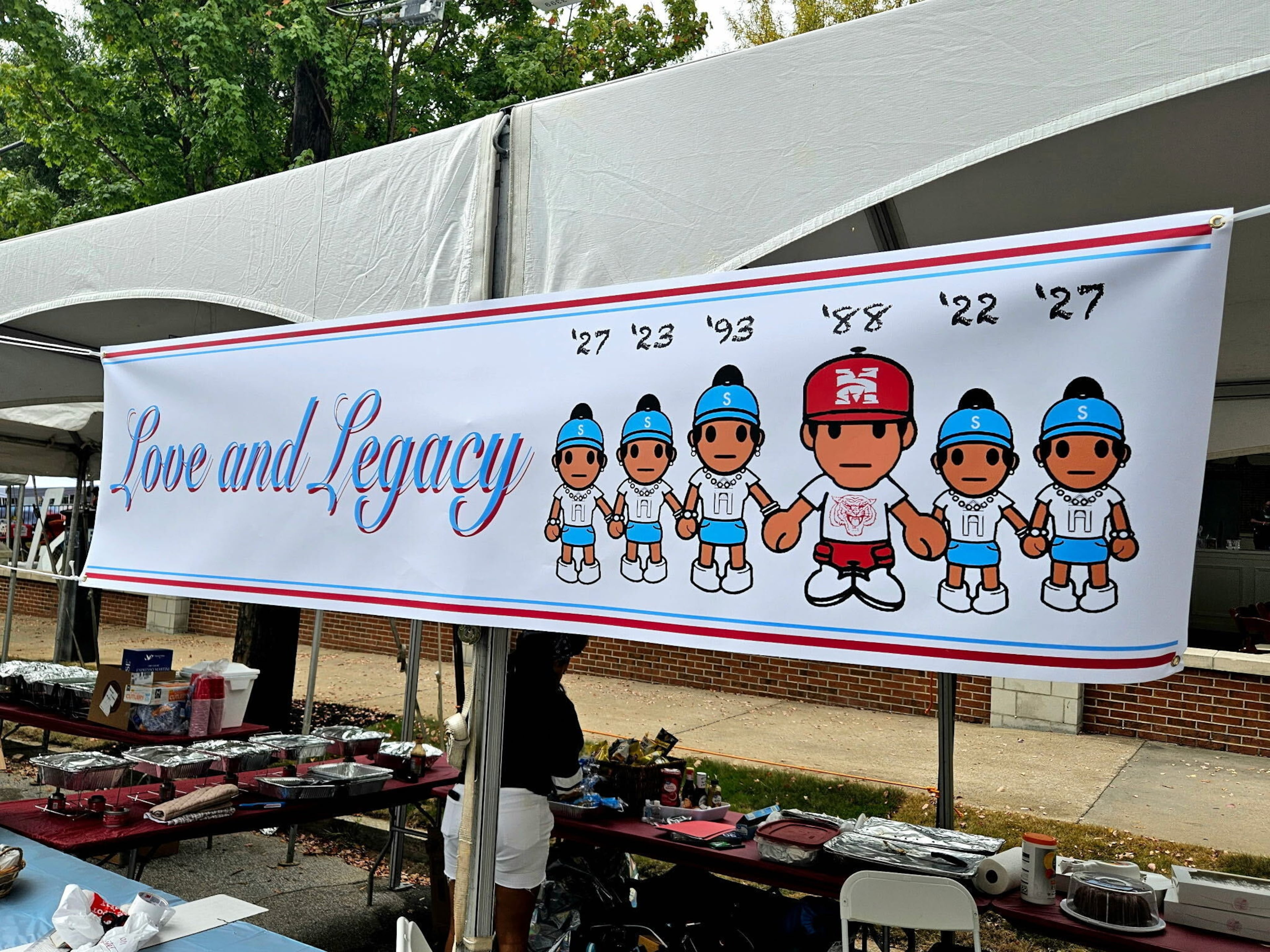
At last year’s homecoming tailgate, they had a banner on their tent that read “Love and Legacy,” featuring a cartoon image of Fowler, Hayes and their daughters in their respective Spelman and Morehouse T-shirts, along with each family member’s SpelHouse class year.
The banner reflected what SpelHouse has become for Fowler and Hayes, both a place they return to each year and a tradition their daughters now share.
“Homecoming is a vitamin for the spirit,” Fowler said.
Being a Spelman or Morehouse student helps shape an “impressionable” young adult’s identity, she said.
“We start almost like babies,” Fowler said. “By the time we graduate, so much love and nurturing has been poured into us that we have the confidence and ambition to make a positive impact on the world.”
A century-old tradition
Long before homecoming became a week of concerts, step shows, tailgates, fashion shows and parties, it was built around a simpler idea: Come home.

The modern HBCU homecoming tradition stretches back more than a century. While its precise origin is difficult to pinpoint, researchers have traced the alumni-centered celebration surrounding a fall football game to at least 1924, when both Morehouse College and Howard University held homecoming events.
At Howard, football was already the centerpiece of one of Black America’s major social gatherings. Its annual Thanksgiving game against Lincoln University drew thousands to Washington, and the school’s student newspaper described the rivalry in 1924 as a major athletic and social event for Black Americans.
That year, Howard expanded the occasion into a three-day alumni reunion, welcoming graduates back to campus and honoring former football players before the game.
Over the decades, that basic formula — alumni returning to campus around a football game — grew into something much larger across HBCUs. Homecoming became part reunion, part celebration and part showcase of Black college culture, with generations of alumni returning to reconnect with their schools and one another.
And each campus developed its own personality and traditions. North Carolina A&T, which traces its homecoming to 1926, transformed its celebration into what it calls the “Greatest Homecoming on Earth.” This year, as it marks the homecoming’s 100th anniversary, the university expects more than 200,000 people to descend on Greensboro.
For Atlanta’s large community of HBCU graduates, homecoming season also means looking beyond the city. Alumni of schools including A&T, Howard, North Carolina Central and Florida A&M pack highways and airports each fall for the annual pilgrimage back to their campuses.
Spelman and Morehouse have shared academic, cultural and social traditions for generations. Spelman records show the colleges have long held joint homecoming activities, and since 1936, Spelman students have been crowned Miss Maroon and White, Morehouse’s campus queen.
When SpelHouse became a phenomenon
Morehouse College philosophy professor Illya Davis said the fanfare surrounding what became known as SpelHouse took years to grow into the massive celebration it is today.
Davis, who graduated from Morehouse in 1989 and now serves as the college’s director of freshmen and seniors’ academic success, said homecoming looked nothing like it does today when he was in school.

At that time, it was relatively small and festivities were centered within a parking lot next to Spelman.
But over the next decade, the landscape of Black college social life in Atlanta began to change.
By the late 1990s, Freaknik, the massive festival and street party that grew out of the Atlanta University Center, was waning amid concerns about violence and increasing pressure from city officials.
As Freaknik faded, Davis saw what he described as a “perfect storm,” with young adults looking for another large-scale gathering.
Enter: SpelHouse.
“It blew up,” Davis said. “It was almost overnight.”
But Atlanta-based culture critic and historian Ronda Racha Penrice said Black college homecomings had already been iconic.
Penrice said SpelHouse also benefited from the stature of Spelman and Morehouse, two of the nation’s most prominent HBCUs, giving people beyond the campuses a reason to participate in the celebration.
“You mix excellence and fun. It’s not a chore to come (to SpelHouse),” she said.
“It becomes a party,” Davis said. “It doesn’t take much to get participation when people tell you there’s grilling, cooking out, hanging and music. It’s just facilitated by our homecoming.”
A new generation takes its turn
While alumni return to familiar traditions, a new generation of Spelman and Morehouse students is experiencing SpelHouse for the first time.
The week includes step shows, performances, parties, a parade, the annual football game and events hosted by campus organizations.
Miss Spelman College Jillian Collier said homecoming brings generations together, as “aunties and uncles, brothers and sisters” return and students see the strength of their HBCU network.
“It’s a very important time of inclusion,” Collier said.
Spelman freshman Sydni Tennant, a first-generation college student from northern Virginia, is excited for “the fun chaos” and has already planned her hair appointment and outfits.
“If I’m not in class or on campus, my hair is going to be tied down,” she said. “It has to stay fresh.”
Passing the tradition forward
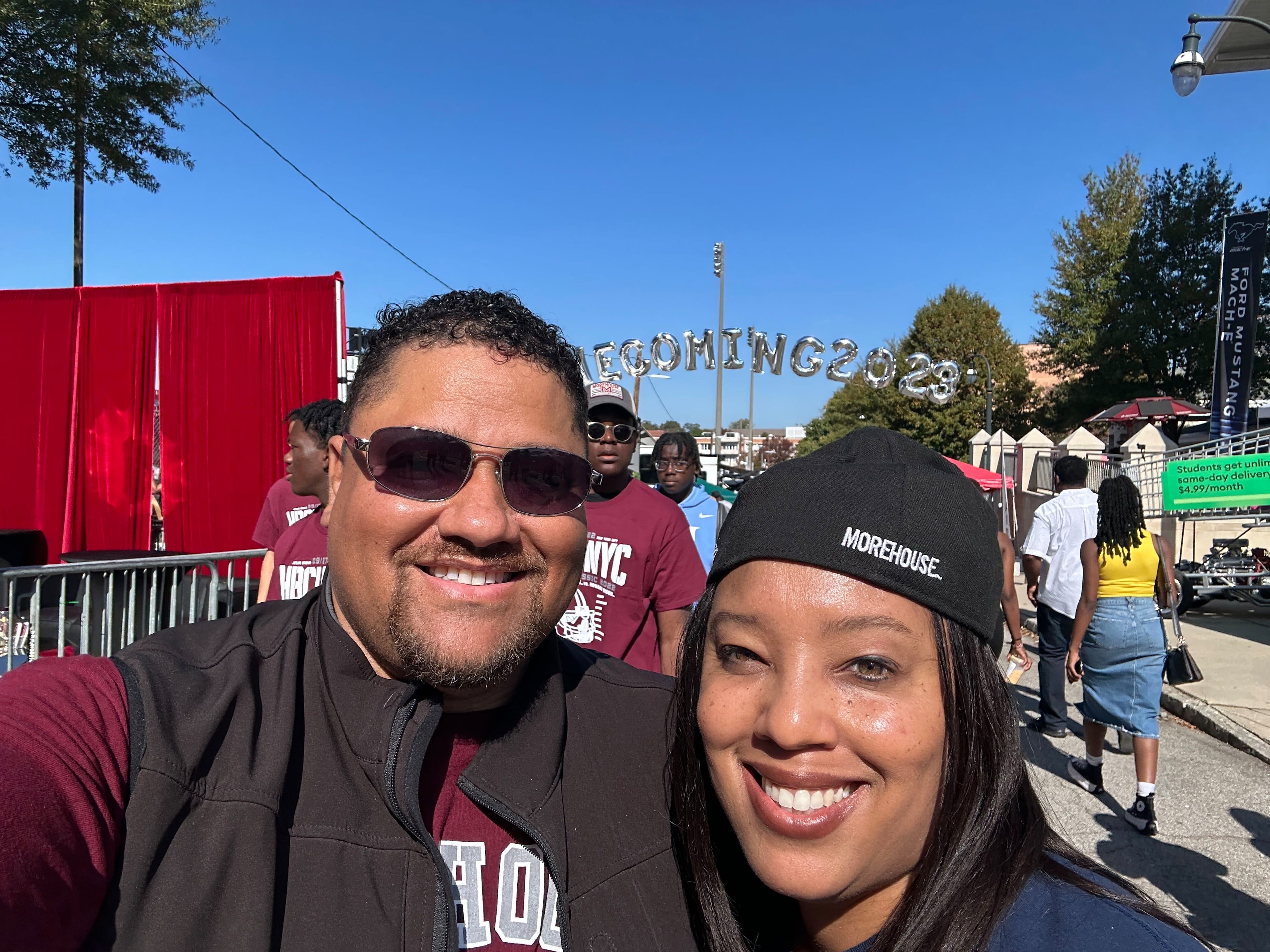
Chris and Angel Waters see homecoming as an opportunity to pay that experience forward.
The couple, who met on campus on their way to church in 1998 and graduated from Spelman and Morehouse in 2000, return to SpelHouse each year.
Chris Waters, pastor of Green Forest Community Baptist Church in Decatur, said the sense of community they found at Spelman and Morehouse has stayed with them.
“It does take a village to raise a child,” he said. “It is well ingrained within us, and we want to see each other thrive.”
Homecoming gives current students a chance to see that village across generations, Angel Waters said. They meet alumni whose lives and careers offer a glimpse of what might come next.
“Once you go into the parking lot (at homecoming), there are so many people with successful jobs,” she said. “A lot of my classmates are doctors, and they might be an obstetrician or they might be a lawyer.”
Chris Waters said it’s an environment of camaraderie and “intergenerational fellowship.”
For Fowler and Hayes, that intergenerational connection has become part of their family’s SpelHouse tradition.
“The fact that I met Dawn at SpelHouse has truly been a blessing,” Hayes said. “She was just so special and we were just blessed and destined to be together. God put us together.”

But Fowler said what brings her back each year goes beyond seeing old friends or celebrating family ties.
SpelHouse offers alumni a chance to reconnect with the people and institutions that helped shape who they became.
“It re-energizes us,” she said. “We feel reinvigorated.”