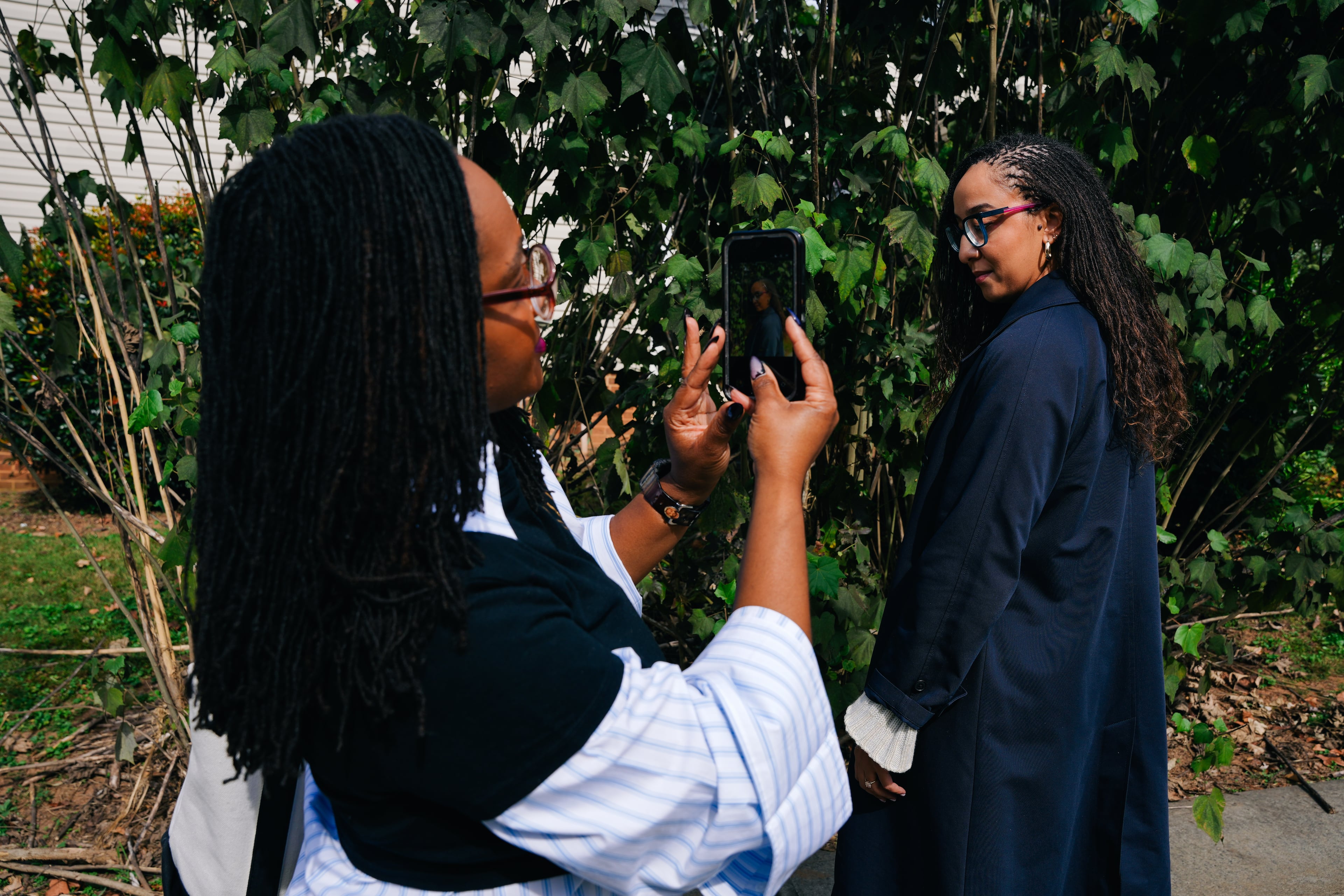
Let Me Put U On: How Sisterlocks changed my relationship with my hair

When my heart dropped and a deep resignation filled my chest, I knew I had to make a change.
My hair should not fill me with dread, I thought to myself. I’d tried so many things — relaxed hair, a short Afro, shoulder-length coils, a pixie cut, twists, and then finally, braids. But after a decade rocking my loose natural hair, I was tired of the maintenance.
I felt the most free with my short hair, but missed the ability to do different styles.
I felt the most beautiful with long, knotless braids, but keeping them in consistently could irreversibly damage my hair.
There had to be another way, one that kept my hair healthy while giving me ease, versatility and confidence.
Then it came to me: Sisterlocks.
My hair has never been as simple for me as it was for my sisters. As a Dominican-American, the island’s tangled history of colonialism and slavery showed up in our roots, my coils the inheritance of our African ancestors while my sisters’ hair fell in soft curls that my mother could more easily manage. I was the odd one out.
On a trip to Santo Domingo when I was seven, my parents took me to the salon to get my first relaxer, something my sisters never had to do. Every few months for the next 12 years, my hair was chemically straightened, the acrid smell of lye stinging my nose while I sat in a black vinyl salon chair, hoping the Vaseline slathered on my nape and ears was protecting the skin from the chemical burns that would inevitably mar my scalp.
During my childhood, I couldn’t remember having my own natural curls. Relaxers, keratin treatments, Dominican blowouts and silk presses were all I knew.
In Dominican culture, the prejudice against my type of hair was so entrenched that the word I heard growing up for an Afro was despeinado, which translates to “disheveled.” Mine were tresses to be tamed.
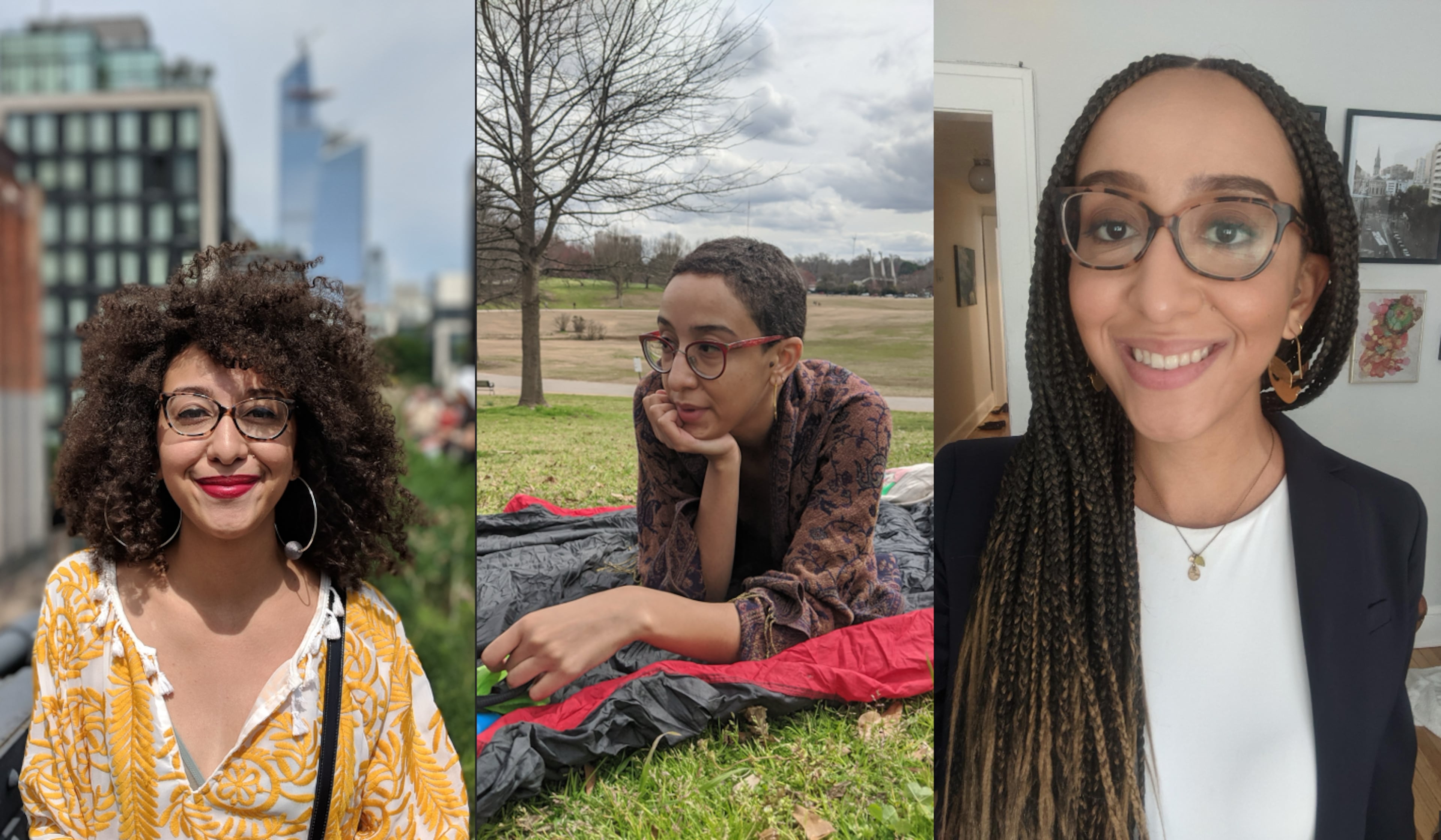
But I never internalized that disdain. When I was 19 and able to decide for myself, I did a big chop and rediscovered my Afro.
While liberating, that discovery process was also difficult and lonely. I didn’t have female relatives to guide me in how to take care of my hair, in how to braid it or twist it at home. I was bumbling through natural hair care on my own.
After about a decade of loose curls, I started to get knotless braids more frequently because the daily maintenance of my natural curls was overwhelming. I’d try to do a cute wash-and-go, but my hair would not always cooperate, leaving an uneven, frizzy mess.
Even the writer and activist Michaela Angela Davis once called out my curls.
During a panel at Afropunk Atlanta, I asked about being defined by more than our looks. Davis jokingly pointed to the lack of definition in my hair and suggested I pick up some free styling cream. It was an offhand remark, but one that burned into my brain.
Frustration and resentment grew.
In October 2022, I began thinking of a longer-term solution, of Sisterlocks.
I wanted a permanent solution, but the commitment frightened me.
I pored over Instagram posts and YouTube vlogs of people recounting the pros and cons of Sisterlocks.
Choosing to do this style was an investment in time and money, but one that I hoped would give me the return of ease and confidence.
I decided to get Sisterlocks instead of another type of loc simply because I liked a particular stylist, LaTisha Flowers, and that was the style she offered.
Locs form when strands of hair tangle and bind together. They can be created with different methods and varying sizes, but are often separated into a few groups: freeform, traditional and micro.
There’s no uniform definition of what sizing makes a microlock, but the parts often are no larger than half an inch, and thus the loc it makes is tiny. People with the style typically have hundreds of locs.
What distinguishes Sisterlocks from microlocks is a specific grid and locking pattern trademarked by one woman, JoAnne Cornwell, in the 1990s.
But Sisterlocks are ultimately just a type of microlock, a style which traces its history back thousands of years.
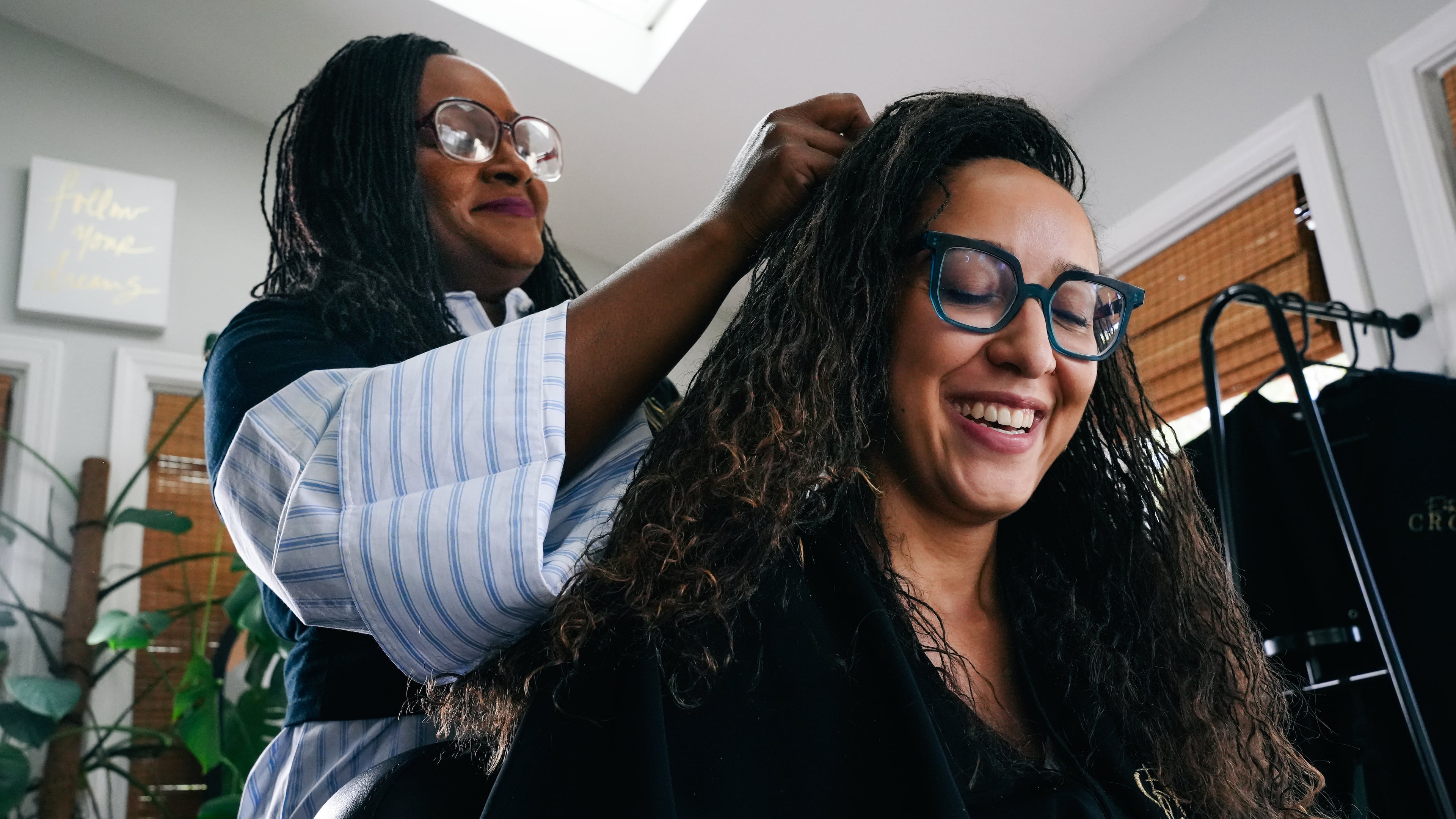
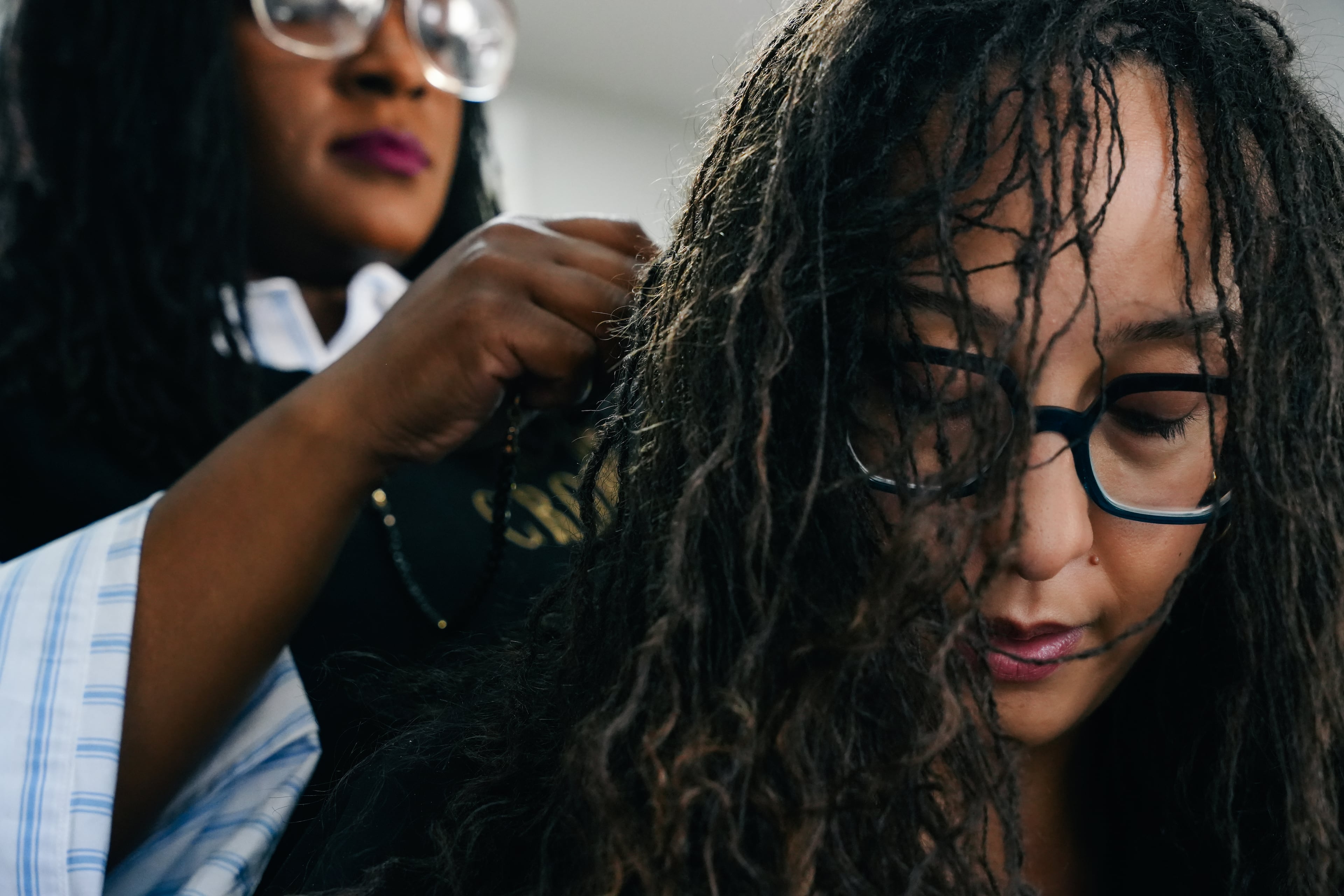
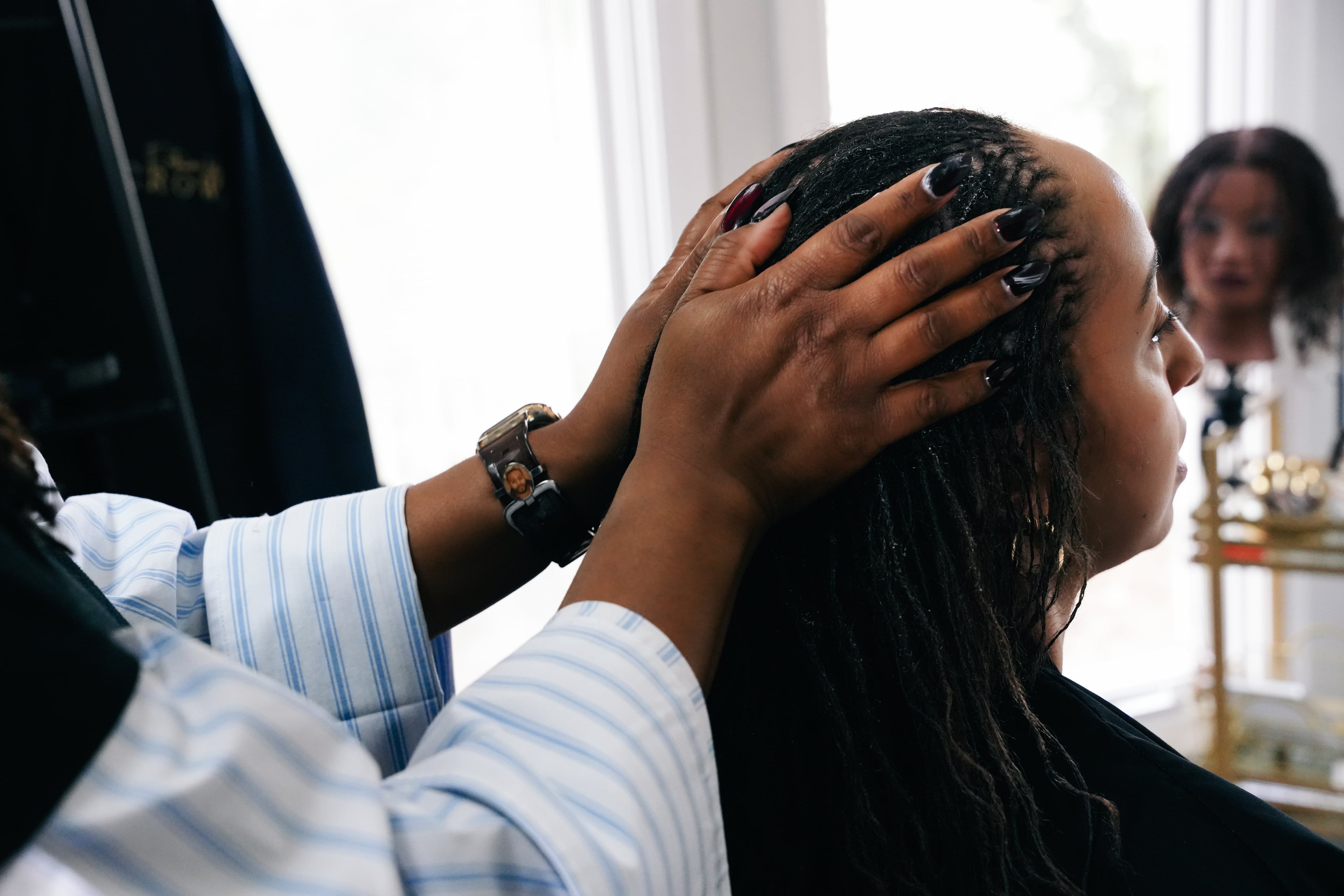
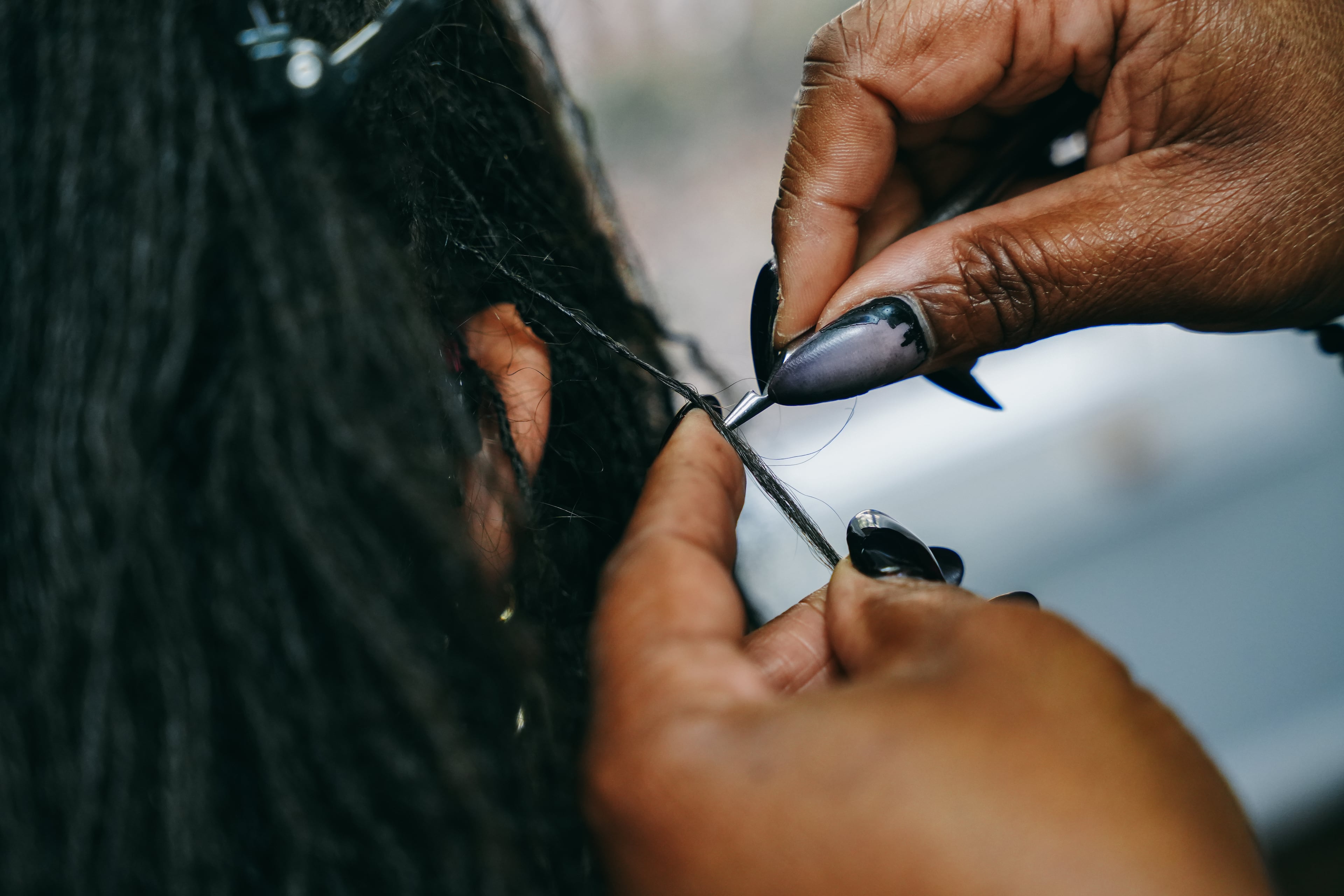
LaTisha established my locks in January 2023, her small hook tool deftly weaving my hair while it was still on my head into 650 fine, intricate locks.
What a joy, and journey, it has been.
It takes locks months or years to fully mat and mature, which has required of me a new level of patience. No two people’s locs look the same either, even if their loose hair type is the same, which has taught me to accept my hair how it is. There are lessons I don’t know if I would have learned if I hadn’t chosen this style.
And though the daily maintenance is minimal, time ultimately cannot be erased, only redistributed. Weaving my shoulder-length hair into my Sisterlocks took about 40 hours, spread over multiple days and cost about $1,300.
And the daily 10 to 30 minutes I would spend coaxing my loose curls into a presentable look, I now put into one block of time at my retie when LaTisha incorporates my new growth into my existing locs. That can last four to five hours every few weeks.
But Sisterlocks have given me the joy and confidence I had been searching for in my natural hair.
I now wake up every day feeling my hair is beautiful, which makes it easier to believe that I am beautiful, too. All I have to do is run my fingers through my locs in the morning, maybe adding some mousse or leave-in conditioner, and style it however I want.
I only took three months between thinking about getting Sisterlocks and having the style because the main regret that I came across in my research was people wishing they hadn’t waited so long to get them. I learned from their mistake.
And if you have been considering getting locs, waiting for your sign, this is it. Take the leap.