
Atlanta’s Black-owned vintage shops are preserving more than fashion

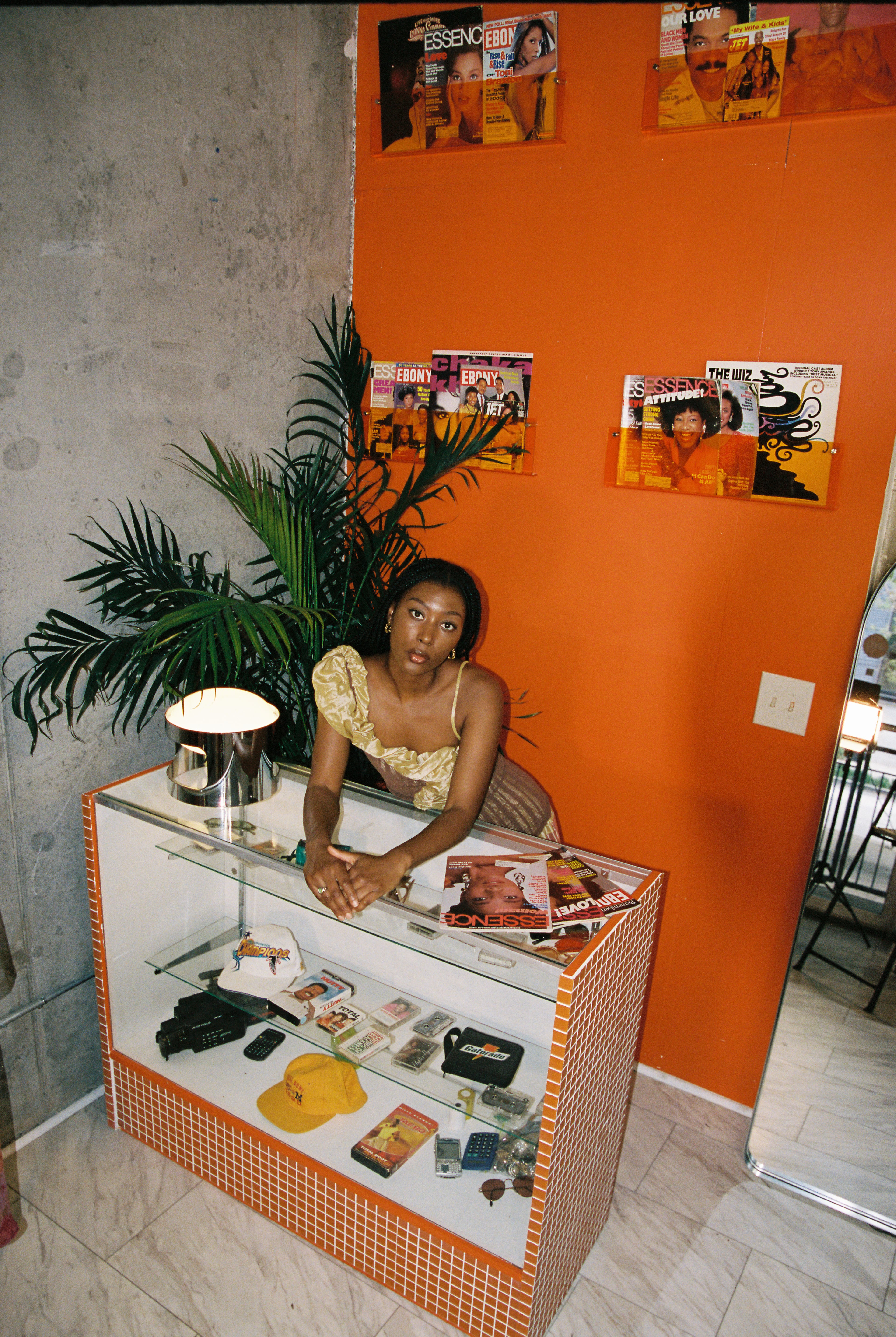
The bright orange wall inside Nello Vintage is more than a design choice.
It’s a tribute to where owner Chanelle Harris built her business, photographing thrifted finds against a similarly colored orange wall in her mother’s kitchen.
Today, that same splash of color greets customers in the Atlanta shop as they browse through jewel-toned dresses from the ’60s and funky patterned shirts from the ’90s, while other carefully curated vintage pieces line the walls.
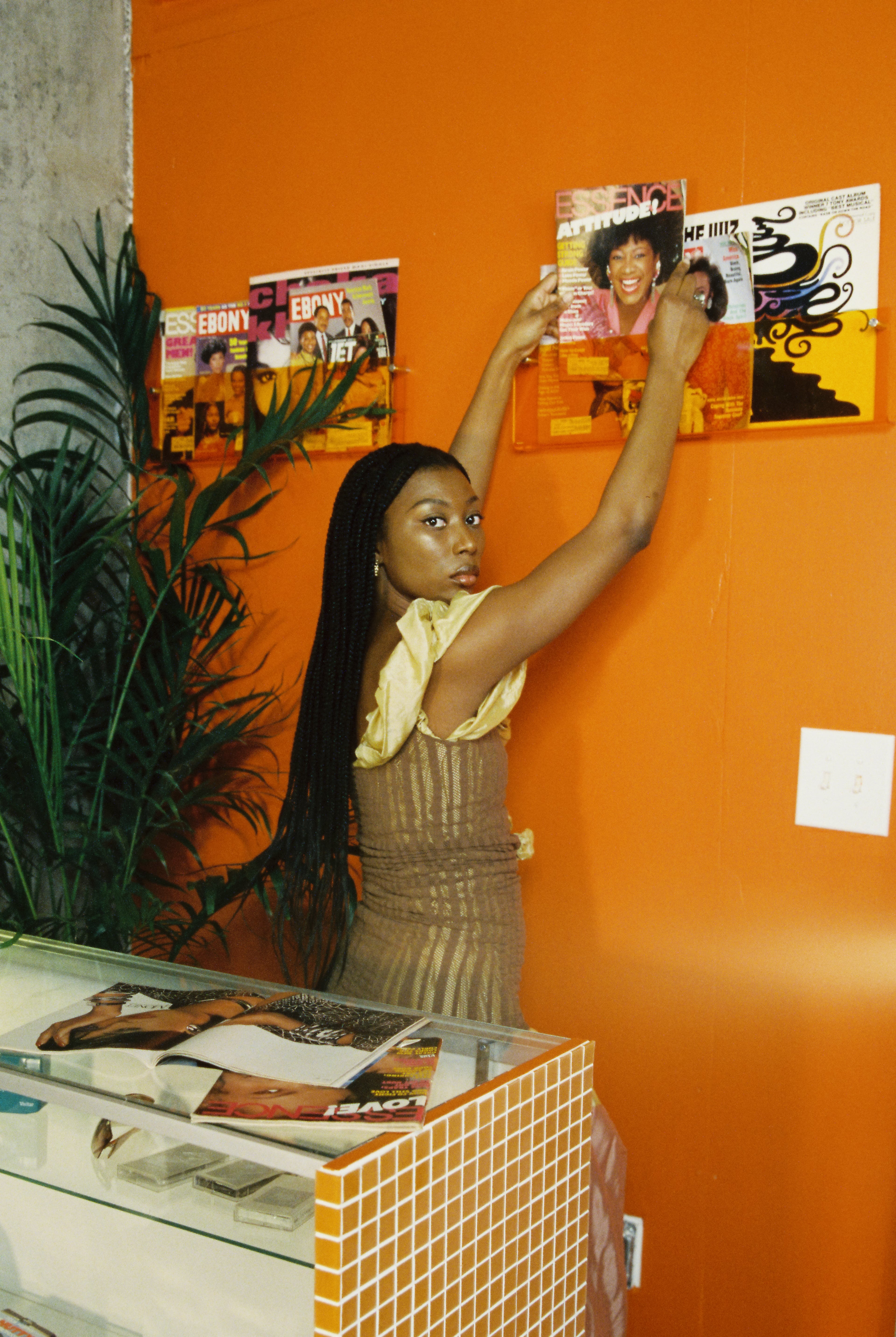
In one corner, a VCR plays an old movie, adding to the feeling of stepping into another era.
Harris is one of a growing number of Atlanta entrepreneurs helping fuel the rise of vintage fashion.
For many Atlanta shoppers, vintage clothing offers something fast fashion can’t: originality, craftsmanship, cultural history and a more sustainable way to dress.
The secondhand apparel market has nearly doubled in value since 2020, growing into a $56 billion industry, according to a report conducted by ThredUp.
For Harris, the love of vintage began long before she opened her own storefront.
A Wisconsin native, she grew up thrifting with her grandmother and quickly found secondhand clothing to be both a creative outlet and a way to develop her own sense of style in a place where fashion wasn’t a popular interest.
“A lot of my family and friends know that I love thrifting. If they call me up, I’m in the thrift store any chance I can get,” she said. “It took over my shopping habits compared to a mall or department store.”
Harris remembers when buying secondhand clothing carried a stigma, but she always appreciated finding well-made clothing at an affordable price. Years of browsing thrift stores sharpened her eye for unique pieces.
After earning a master’s degree in London, Harris moved to Atlanta with her mother in 2019. Inspired by the rise of online resale platforms and independent vintage sellers, she began posting her finds on Instagram.
As her audience grew and her pieces appeared in publications including Australian Vogue, she launched a website before opening Nello Vintage in 2024.
Today, the orange wall that helped launch her business has become a signature part of her brand.
Why vintage is more than a trend
Secondhand fashion has skyrocketed in popularity since the COVID-19 pandemic, fueled by resale platforms like Depop, Whatnot and ThredUp.
Atlanta’s thriving vintage scene reflects that national boom. Stores across Little Five Points, East Atlanta and Ponce City Market have become destinations for shoppers looking for clothing with history and personality.

One of them, Vintageland ATL, brings together a range of small businesses selling vintage and hand-designed pieces.
As a teenager in California, owner Tabitha Lee would often find clothing used on Hollywood movie sets while thrifting.
“It was really fun to see the different pieces from different time periods,” Lee said. “The quality is literally unmatched.”
After moving to Atlanta and losing her job during the pandemic, Lee found community online with vintage resellers and discovered a deeper passion for collecting pieces with history attached to them.
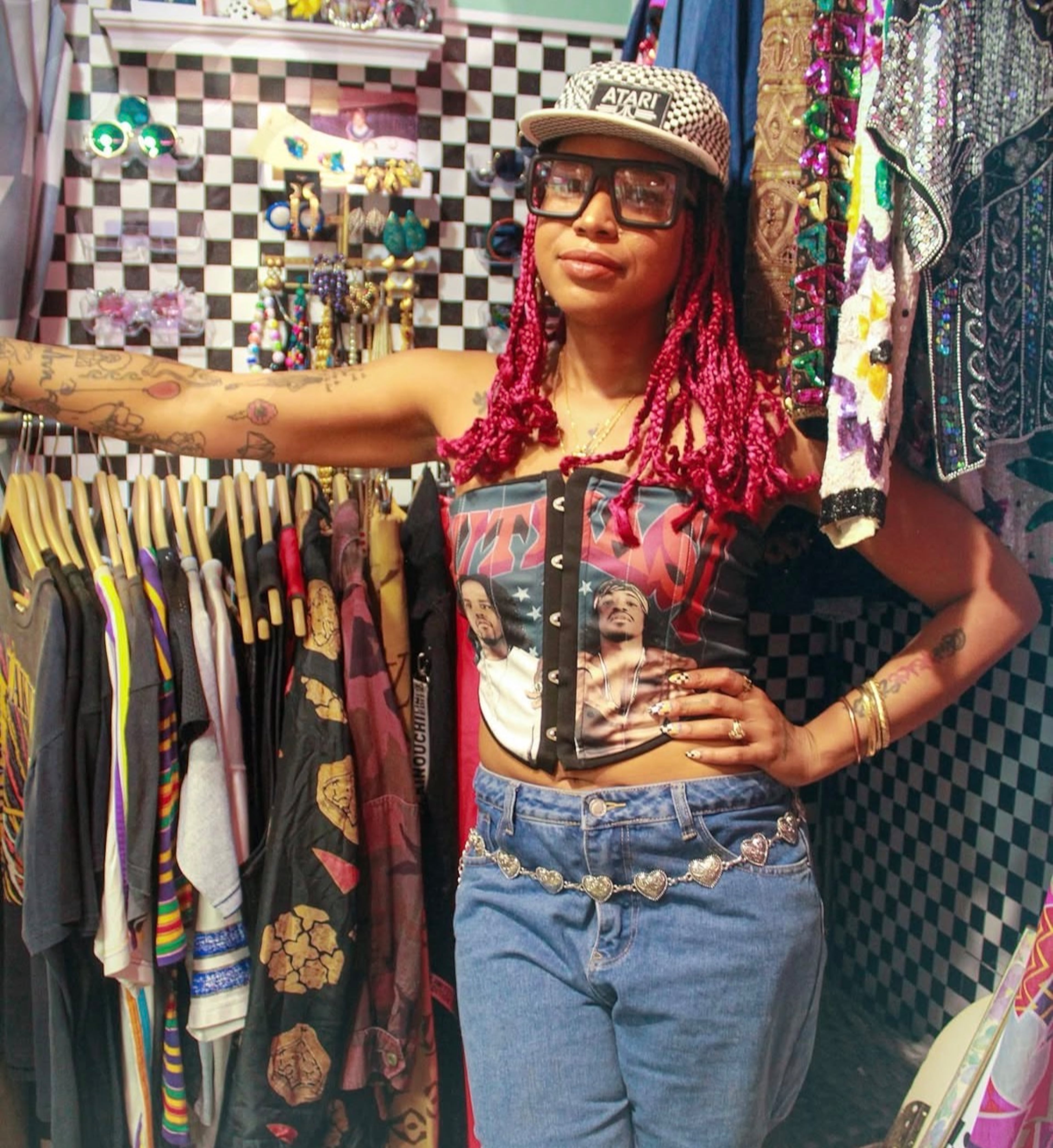
Her shop specializes in clothing from the ’70s, ’80s and ’90s, much of it sourced through estate sales and Facebook Marketplace. She believes garments from those decades were made with greater attention to detail than many clothes sold today.
“Back in the ’80s or ’90s, there was a lot more color, the prints were a lot more bold and not generic prints that multiple companies could replicate,” Lee said. “They were one-of-a-kind pieces, and they paid more attention to detail and the fabrics they used back then.”
That craftsmanship, she said, gives shoppers something today’s fashion often can’t.
“I don’t want to walk into a room and everybody’s wearing the same thing. There are tons of people that want to be a part of the cool kids and have something that’s very unique or exclusive that you can’t find anywhere else,” Lee said. “A lot of vintage is exclusive because it’s obsolete, and it becomes obsolete the more we live.”
Wearing Atlanta’s history
As time passes and trends move on, vintage stores help preserve the clothing that continues to tell the story of the people and communities that shaped them.
When Lee moved to Atlanta, she noticed how shoppers were searching for pieces connected to the city’s history, from 1996 Olympics shirts to Outkast and Freaknik memorabilia. She also sees renewed interest in brands like FUBU and COOGI that evoke the style of the era.
“If you’re not from here, you’re not a part of that club, but everyone wants to have a piece of that memorabilia to feel like they were,” she said. “I do appreciate that they’re much so about their city.”
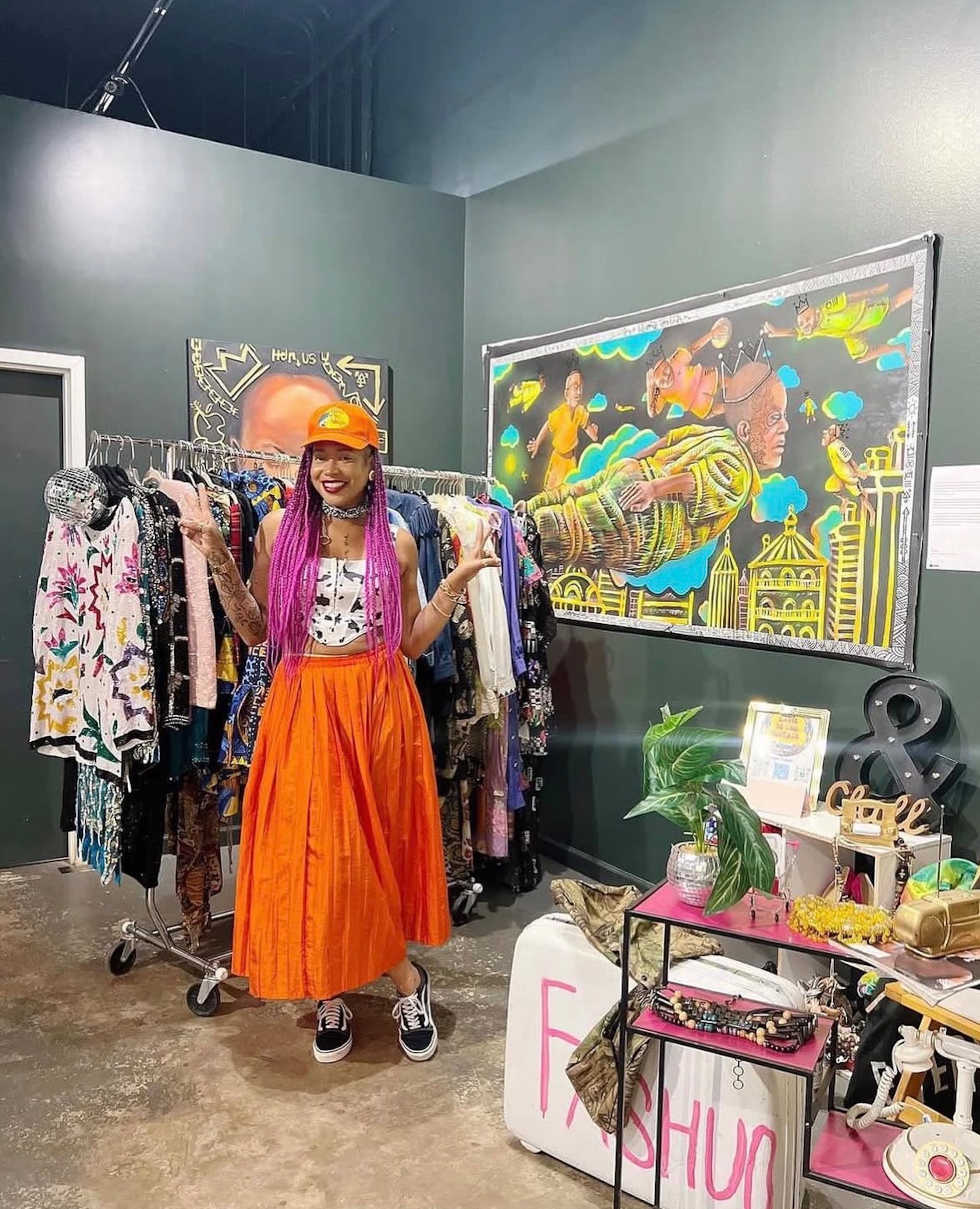
Atlanta’s influence on fashion extends beyond memorabilia. Hip-hop artists — including T.I., Big Boi and Ludacris — helped make oversized clothing, jerseys and sneakers part of the city’s recognizable style during the late 1990s and 2000s, looks younger shoppers are revisiting as Y2K fashion resurges.
For Nikki Harris, preserving those memories and Black culture is at the heart of her shop Everythang Dope.
In her hometown of New York City, hip-hop artists, shows like “A Different World” and characters like Denise Huxtable from “The Cosby Show” inspired her style.

At her Ponce City Market location, neon pinks and greens stand out against oversized, embellished jackets and flannels of the ’80s and ’90s.
Iconic Disney and Nickelodeon cartoon characters are scattered throughout the accessories.
“It’s nostalgic, it’s a good feeling, it’s a childhood memory of mine, so I didn’t want to let it go,” she said. “I wanted to keep it going, and I wanted other people who didn’t get to grow up in that time to experience it.”

Nikki Harris travels across the East Coast to collect vintage clothing that her team of local designers and curators review to help craft the look and feel of the era her store represents.
“I don’t think that we just sell clothes, we sell the experience. There’s a story behind it. It’s a personal story, it’s my story,” she said. “I’m not just putting clothes on a rack and saying ‘Here, they’re for sale’. There’s a whole meaning behind what I’m doing.”

Style over trends
That philosophy started early.
As a child, Nikki Harris would repurpose thrift-store finds with her own rips, washes and fringes, developing a personal style outside the trends she saw around her.

Chanelle Harris shares a similar philosophy. She said shopping vintage can help people develop their own sense of style instead of feeling tied to the trends mainstream fashion companies promote.
“Trends and vintage, to me, can’t coexist, they can’t align,” Chanelle Harris said. “People that are wanting to thrift more and buy vintage may feel pressured to follow what’s trending and may not even approach other pieces because they don’t fit a certain style. That’s why I always push style over fashion and just finding pieces that speak to you.”

Slowing fashion down
The appeal isn’t only aesthetic or nostalgic. For some shoppers and sellers, buying secondhand is also a response to the environmental costs of fast fashion — a business model built around rapidly producing inexpensive clothing to keep pace with changing trends.
Fast fashion often relies on inexpensive synthetic materials and high-volume production that can encourage consumers to buy and replace clothing more frequently.
Lee said vintage clothing offers customers a chance to buy well-made pieces at competitive prices.
“I can buy something … today, and in six months that piece is starting to wear down,” Lee said. “Whereas, with the vintage pieces I have, I’m still wearing it, I can take it to the cleaners, and it’s still looking just as good as when it came out.”

As buying and reselling secondhand continues to outpace the broader retail clothing market, Chanelle Harris said learning the stories behind the people who previously owned the clothing can help customers shop more intentionally.
“With clothes, just knowing where it comes from, you have a deeper connection. You value it more,” she said. “I like to say I give reverence through these clothes to the people that lived before, and even the creators who made them.”